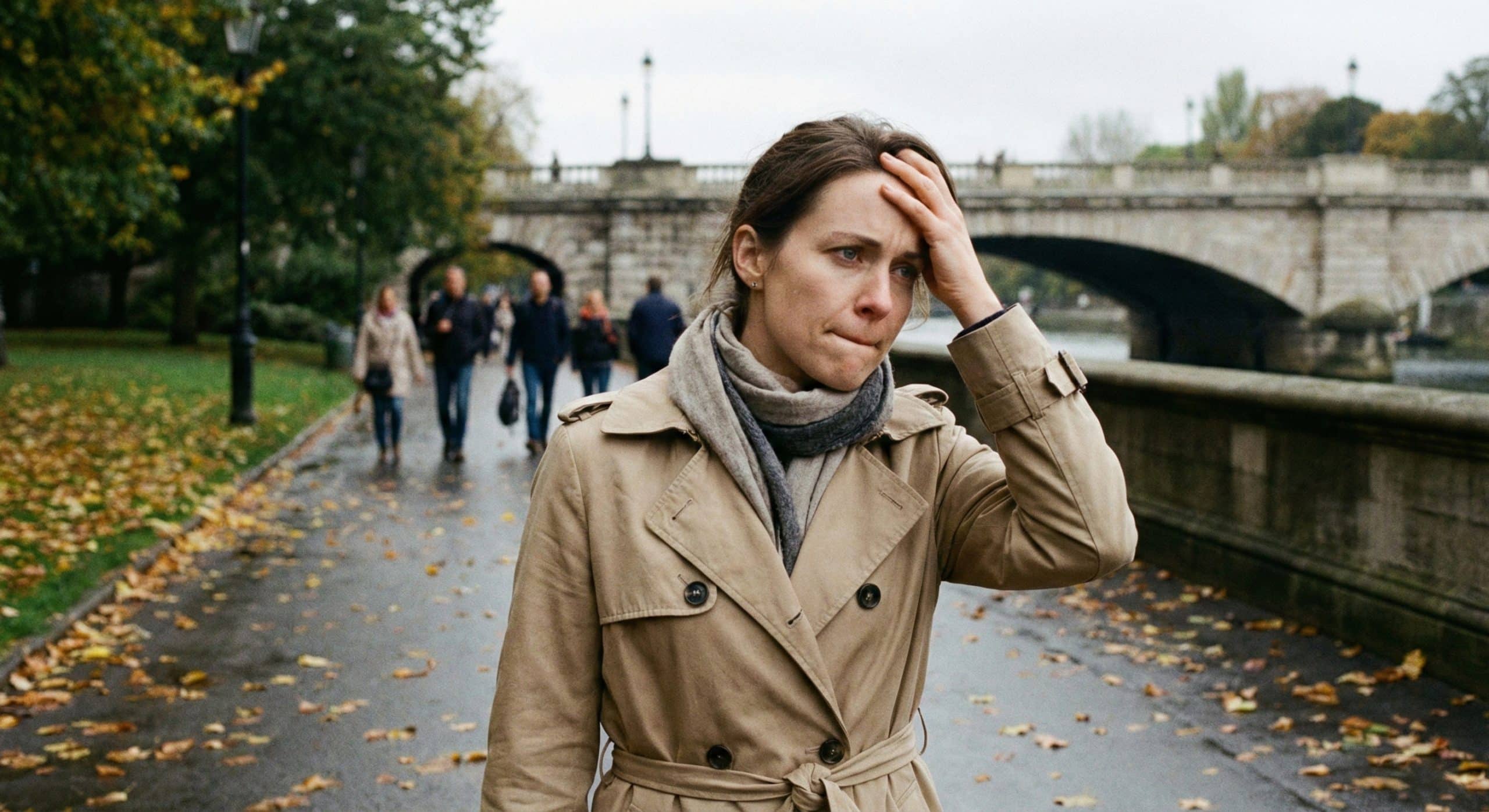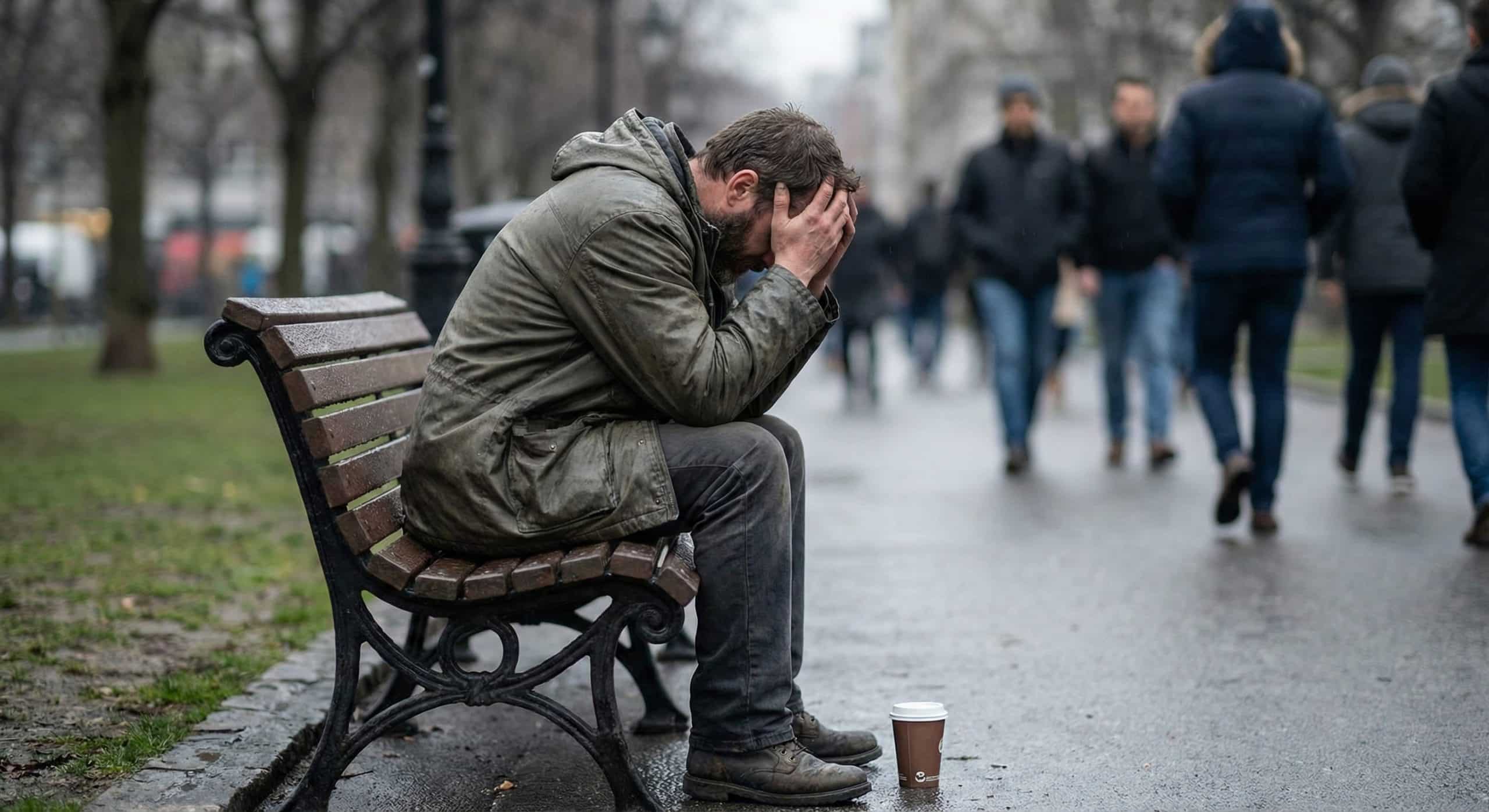


Post-Traumatic Stress Disorder (PTSD) can deeply affect a person’s mental health, emotions, and daily life. Many people who experience trauma—like abuse, assault, natural disasters, or violence—wonder, “Does PTSD ever go away?” The answer depends on many factors, including treatment, support, and time.
PTSD doesn’t always go away completely on its own, but with therapy, medication, and healthy coping skills, recovery is possible. Some people learn to manage symptoms so well that they no longer meet the diagnosis. Others may still have moments of fear or flashbacks, but they find peace through help and healing.

PTSD is a mental disorder that develops after experiencing or witnessing a trauma. This can include events like assault, abuse, war, accidents, or natural disasters. The brain’s fear response becomes overactive, making a person feel unsafe even when no danger is present.
The amygdala, the part of the brain that controls fear and emotion, becomes more active in people with PTSD. The prefrontal cortex, which helps manage stress and logic, may become less active. These changes can make it hard to calm down or think clearly during a panic attack or flashback.
The chemical serotonin, which helps regulate mood and sleep, may also be lower in people with PTSD. This imbalance can lead to depression, anxiety, irritability, and insomnia.
Flashbacks that feel like the trauma is happening again
Nightmares and trouble sleeping (insomnia)
Hypervigilance, or being constantly on edge
Guilt, shame, or fear
Mood swings and sadness (depression)
Panic attacks or sudden bursts of anxiety
Startle response to loud noises or sudden movements
Avoiding people, places, or things that remind them of the trauma
Substance abuse or addiction to cope with emotions
Problems with memory, concentration, and decision-making
Suicidal ideation or thoughts of self-harm (in severe cases)
These symptoms may come and go, and their intensity can change over time.
PTSD may improve over time, but for many people, it doesn’t go away completely without help. Some may experience acute stress reactions that fade after a few weeks. But if symptoms last longer than a month, it’s considered chronic PTSD.
Type of Trauma – Ongoing abuse or violence often causes more severe symptoms than a single event.
Support System – Having friends, family, or community support helps healing.
Resilience – A person’s ability to adapt and cope with stress can improve outcomes.
Early Treatment – Getting help from a mental health professional early increases the chance of recovery.
Co-Occurring Disorders – PTSD combined with anxiety disorder, depression, or addiction can slow recovery.
While PTSD may not completely “go away,” treatment and resilience can help you live a happy and meaningful life.
CBT helps people identify harmful thoughts and replace them with healthier ones. It teaches ways to change behavior and manage fear or panic.
This treatment helps people slowly face memories or triggers in a safe environment. Over time, the brain learns that these memories don’t equal danger anymore.
In EMDR therapy, guided eye movements help the brain process trauma memories. Many patients experience less stress and anxiety after a few sessions.
Talking with others who understand PTSD helps people feel less alone. Rehab centers, community groups, or online meetings can be powerful sources of strength.
PTSD doesn’t just affect the person—it impacts loved ones too. Family therapy helps improve communication, rebuild trust, and support recovery.
Sometimes, medication can reduce symptoms and support therapy. A psychiatrist or health professional might prescribe:
Antidepressants to balance serotonin and improve mood
Anti-anxiety drugs to calm stress and panic
Sleep medications for insomnia or nightmares
Medication alone doesn’t make PTSD go away, but it can make therapy and coping easier. Always talk to a mental health professional before starting or changing medication.
Healing from PTSD often includes daily habits that strengthen mental health.
Deep breathing, meditation, and yoga help the brain relax. These activities calm the amygdala and reduce stress.
Physical activity releases mood-boosting chemicals and helps the body recover from trauma. Eating balanced meals improves mental and physical health.
Try to go to bed at the same time each night and avoid caffeine before sleep. A calm bedtime routine can reduce insomnia and nightmares.
While alcohol or drugs may seem to ease pain, they often make anxiety and depression worse. If addiction becomes a problem, seek help from a rehab center or treatment program.
Having people you trust can reduce fear, guilt, and isolation. Talking about your feelings helps your mental health and builds resilience.
While it’s impossible to stop every traumatic event, some steps can reduce the risk of PTSD:
Early support after trauma
Access to therapy and mental health services
Healthy coping strategies for stress and emotion
Community programs that support survivors of violence, abuse, or bullying
Getting help right after trauma can keep symptoms from becoming long-term.
Resilience means being able to bounce back from challenges. People who are resilient:
Seek help early
Practice self-care
Stay connected to others
Believe recovery is possible
Even if PTSD doesn’t completely disappear, resilience helps people live fulfilling lives.
If PTSD symptoms last more than a month or cause problems at work, school, or in relationships, reach out for help. A mental health professional can provide a diagnosis, treatment plan, and ongoing support.
Call for help immediately if you or someone you know has thoughts of self-harm or suicidal ideation. Support lines and professionals are available 24/7.
PTSD recovery is not about forgetting trauma—it’s about learning how to live again without constant fear or pain. With treatment, therapy, and resilience, many people find peace and strength. Healing takes time, but recovery is possible.
Even if PTSD doesn’t “go away” overnight, it can become manageable. You can regain control over your mood, behavior, and mental health and move forward with hope.
For some people, yes—especially with therapy and medication. Others may still have mild symptoms, but they learn how to cope and live well.
Recovery time varies. Some people improve in months, while others take years. Early treatment and strong support systems help speed up healing.
Yes, PTSD can return during stressful times or after reminders of the trauma. Continuing therapy and self-care helps prevent relapse.
Cognitive Behavioral Therapy (CBT), Exposure Therapy, and EMDR are the most common and effective treatments. A mental health professional can recommend what fits best.
Absolutely. With proper treatment, coping skills, and support, people with PTSD can lead healthy, happy, and productive lives.