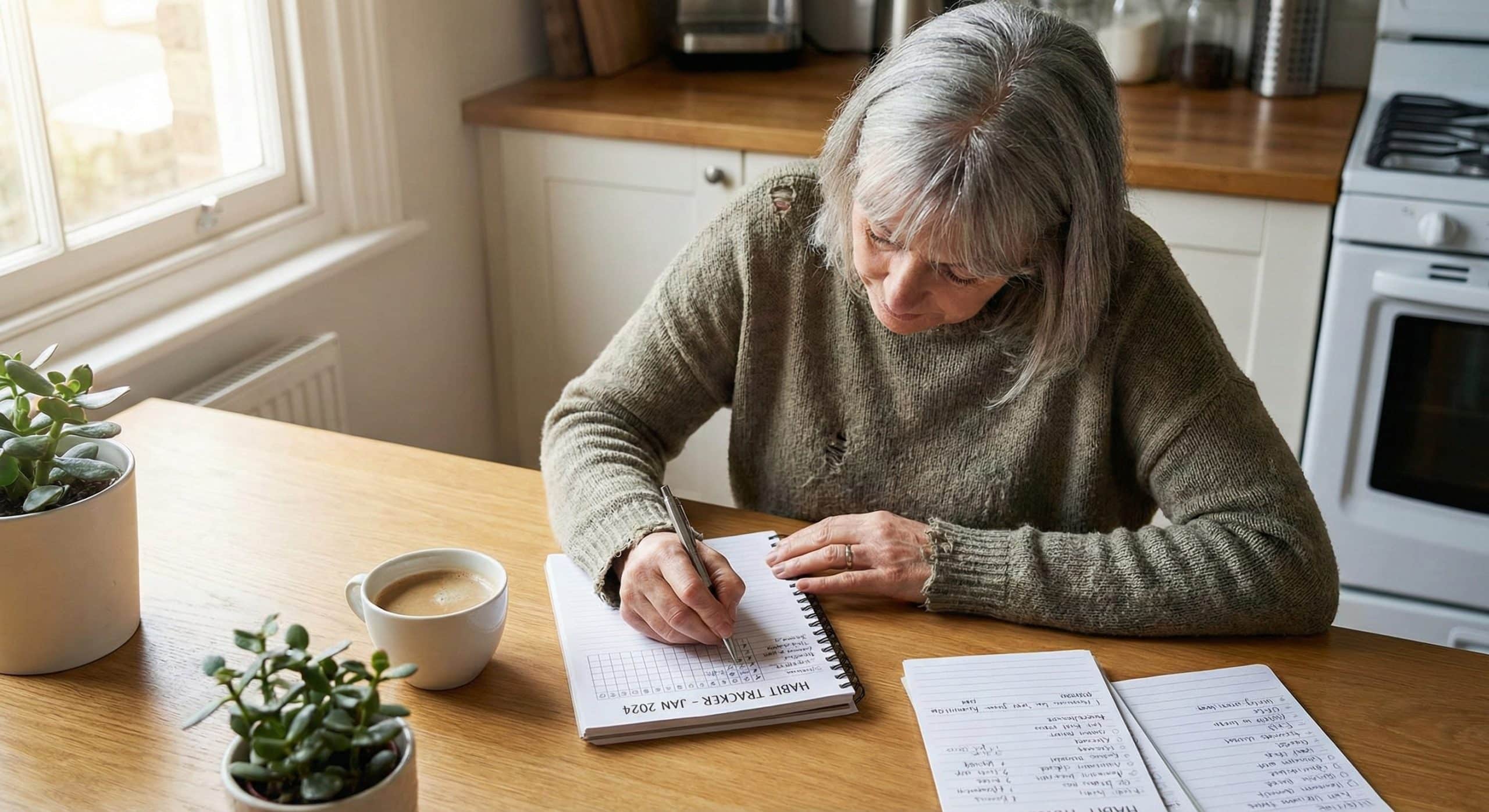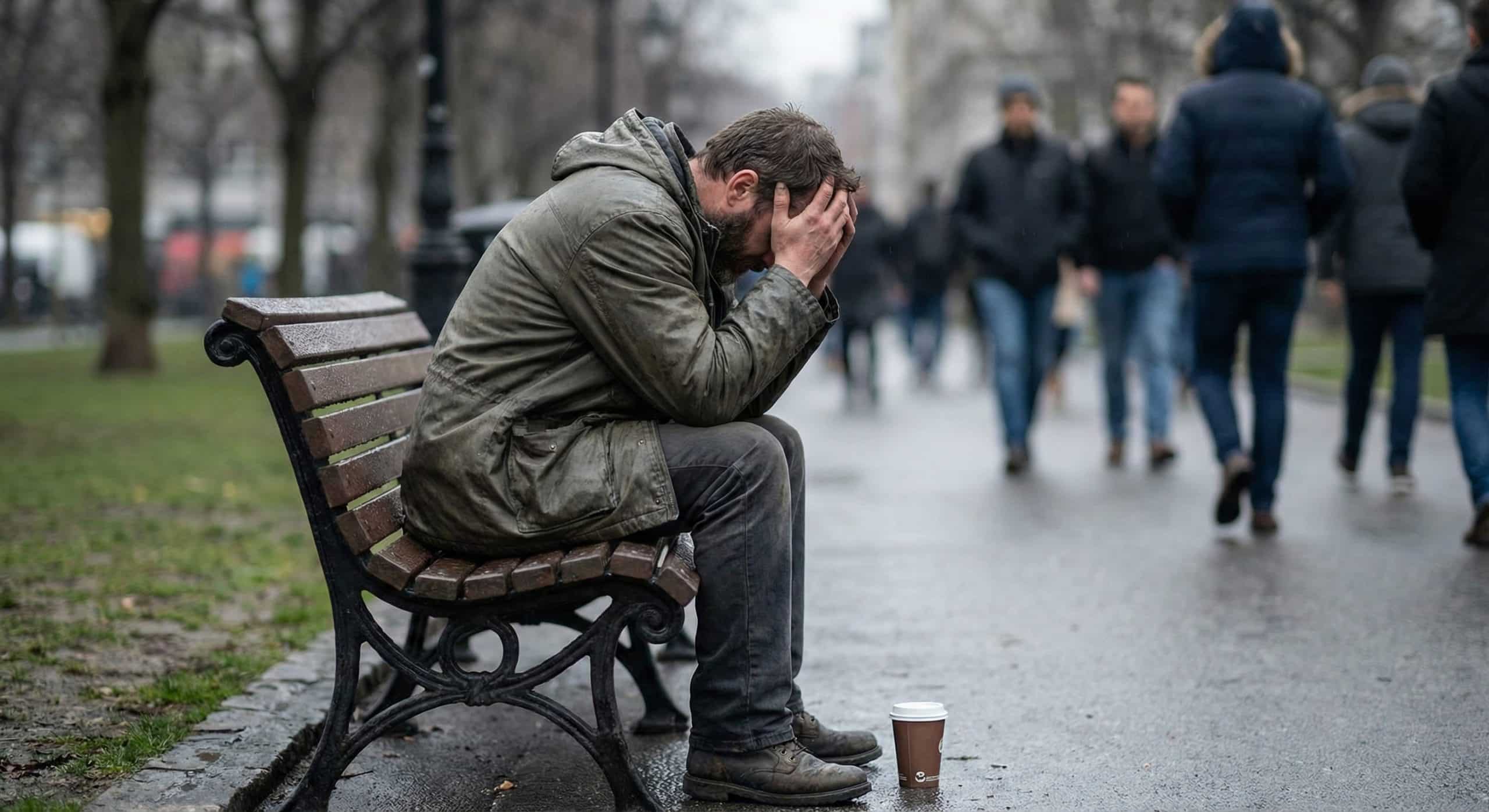


Many people wonder, what is high functioning depression? This term describes someone living with depression but still able to keep up with daily life. They may go to work, care for family, and appear fine to others. Yet inside, they often struggle with sadness, stress, and low mood.
Doctors sometimes connect high functioning depression with dysthymia, also called persistent depressive disorder. Unlike major depressive disorder, this form may not stop a person from daily tasks, but it can drain their energy, joy, and overall mental health.

People with high functioning depression may look strong on the outside but feel different inside. Some common signs include:
Constant sadness or emptiness
Trouble with sleep or insomnia
Irritability or feeling easily upset
Loss of interest (anhedonia) in fun activities
Struggles with attention and focus
Ongoing anxiety, stress, or fear
Changes in eating habits
Quiet feelings of suicidal ideation that may go unnoticed
High functioning depression and major depressive disorder both involve low mood, but they are not the same.
Major depression often makes daily life very hard.
High functioning depression lets people keep moving, but they carry heavy emotional pain.
Both need care from a mental health professional such as a doctor, therapist, or psychiatry provider.
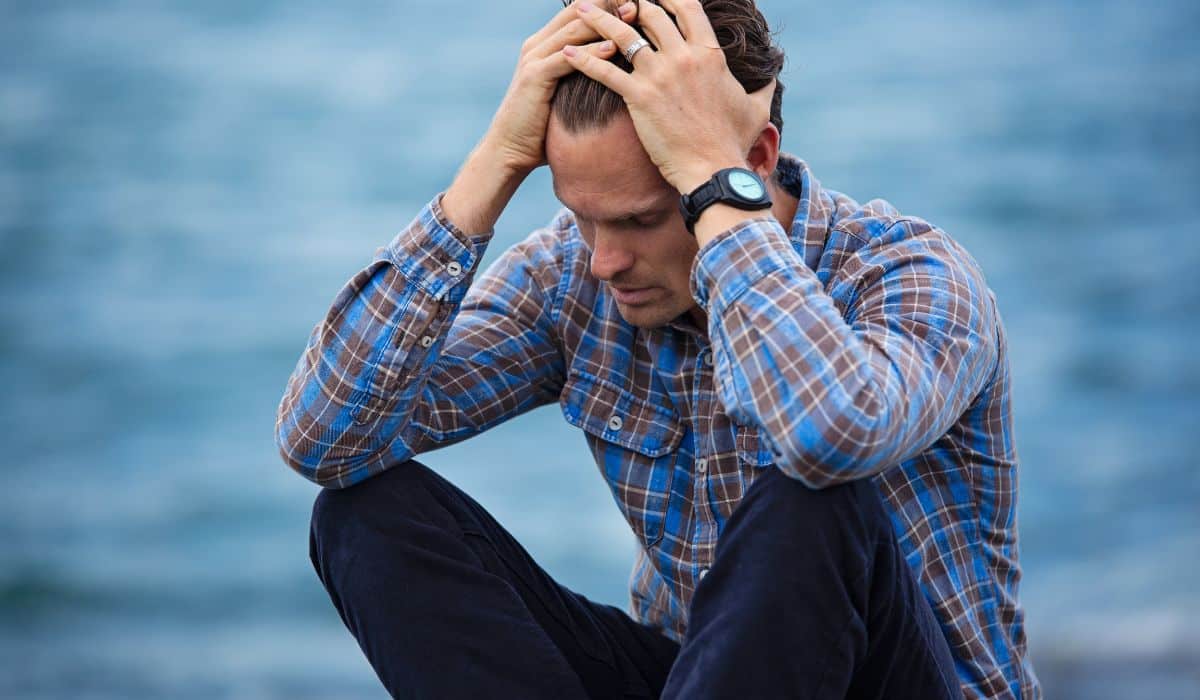
Because people with high functioning depression can still go to school, work, or care for others, their pain is often hidden. Even close friends, family, or a caregiver may not notice. This makes it important to pay attention to small changes in mood, emotion, or behavior.
Some things can raise the chance of high functioning depression:
Long-term stress or pressure
Past trauma or loss
Family history of depression or anxiety disorder
Struggles with substance abuse or addiction
Health conditions that affect sleep, energy, or brain chemistry
Sometimes high functioning depression exists with another condition. This is called dual diagnosis. For example:
A person may have anxiety plus depression.
Others may face substance abuse, using alcohol or drugs to cope.
These patterns can raise the risk of relapse if not treated together.
Even when someone seems okay, high functioning depression can still harm daily living. It can lead to:
Trouble at work or school
Strained family or partner relationships
Risk of substance abuse as a coping tool
Increased fear, irritability, or withdrawal from others
Coping skills can help, though they may not replace treatment. Some strategies include:
Talking openly about feelings
Keeping a daily routine for sleep and eating
Adding gentle exercise to reduce stress and boost mood
Mindfulness or relaxation practices to calm anxiety
Working with a mental health professional is one of the best steps. Treatments may include:
Different types of therapy help people explore emotions and learn coping skills. Talking with a therapist can uncover hidden sadness, fear, or anxiety.
Doctors may suggest antidepressant medication to help balance brain chemistry. This can ease mood symptoms and reduce insomnia or irritability.
A psychiatry provider can guide both therapy and medication. Regular check-ins help lower the chance of relapse.
Healthy sleep, balanced eating, and reducing stress can make a big difference in recovery.
It is important to reach out for support if someone feels:
Empty or sad most days
Hopeless about the future
Unable to enjoy activities (anhedonia)
Overwhelmed by anxiety or fear
Stuck in cycles of substance abuse or addiction
Quiet thoughts of suicidal ideation
No one has to face depression alone. A mental health professional can give hope and safe tools for recovery.
Family, friends, and caregivers can play a big role. They can:
Offer a listening ear without judgment
Encourage therapy or medical care
Help keep daily routines stable
Watch for warning signs of relapse or suicidal ideation
High functioning depression may be hidden, but healing is possible. With the right mix of therapy, antidepressant medication, support, and healthy coping habits, people can feel better and live with more peace.
It is a form of depression where someone appears to handle daily life but struggles inside with sadness, stress, and low mood.
Not exactly. It often connects with dysthymia, which is milder but longer lasting than major depressive disorder.
Yes. Many people experience anxiety or turn to substance abuse to cope, which may lead to dual diagnosis.
Treatment may include therapy, psychiatry care, and antidepressant medication. Lifestyle changes like better sleep and stress control also help.
Yes. With support from a mental health professional, coping skills, and care from loved ones, recovery is very possible.