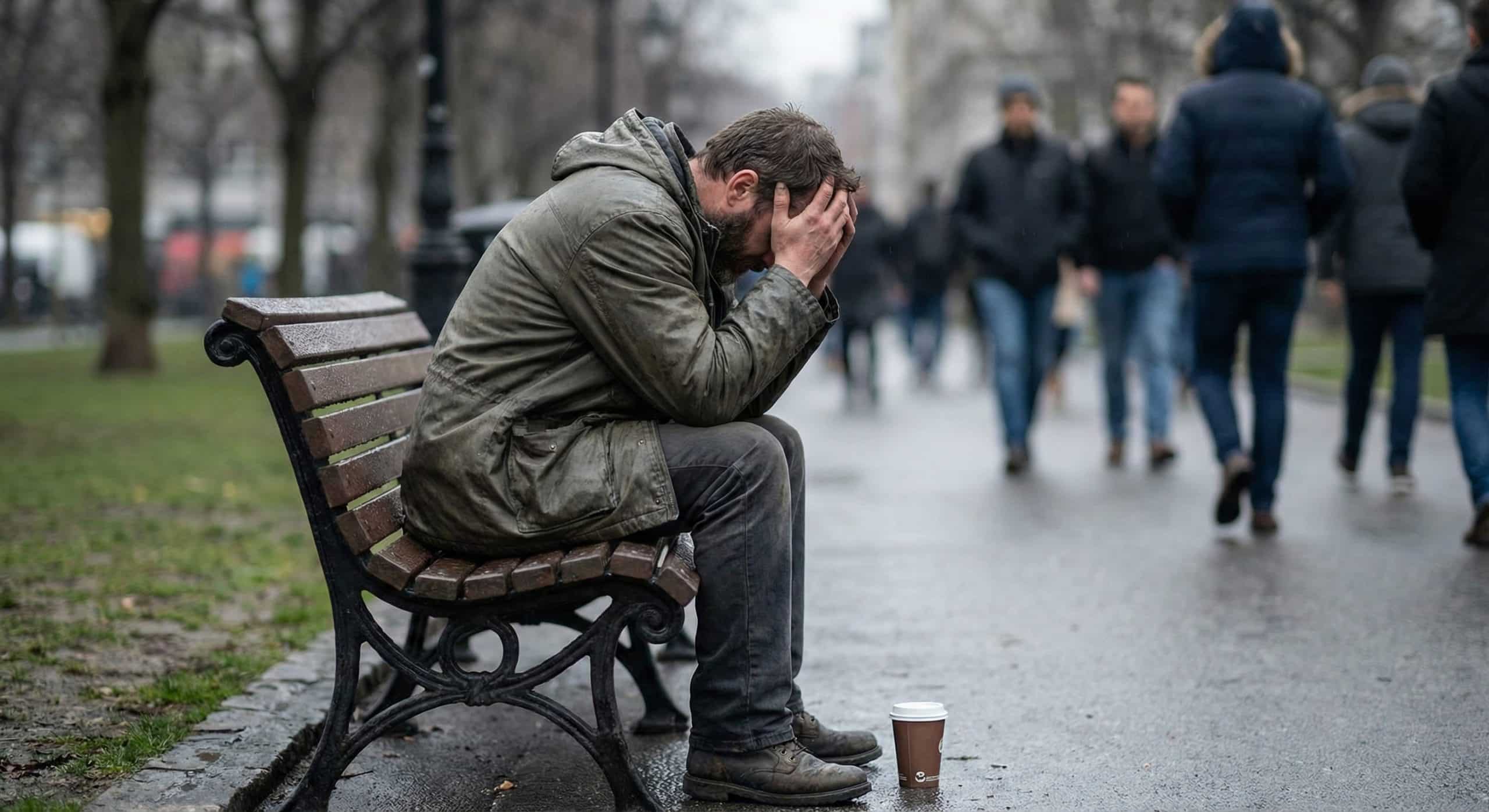


Have you ever forgotten parts of a painful experience? You’re not alone. Many people wonder, can trauma cause memory loss? The answer is yes — trauma can deeply affect the way your brain stores and recalls memories. When the mind experiences intense fear or stress, certain parts of the brain change the way they work. This can lead to forgetting, confusion, or even amnesia.
In this article, we’ll explore how trauma affects memory, what parts of the brain are involved, and how therapy can help people heal and remember safely.
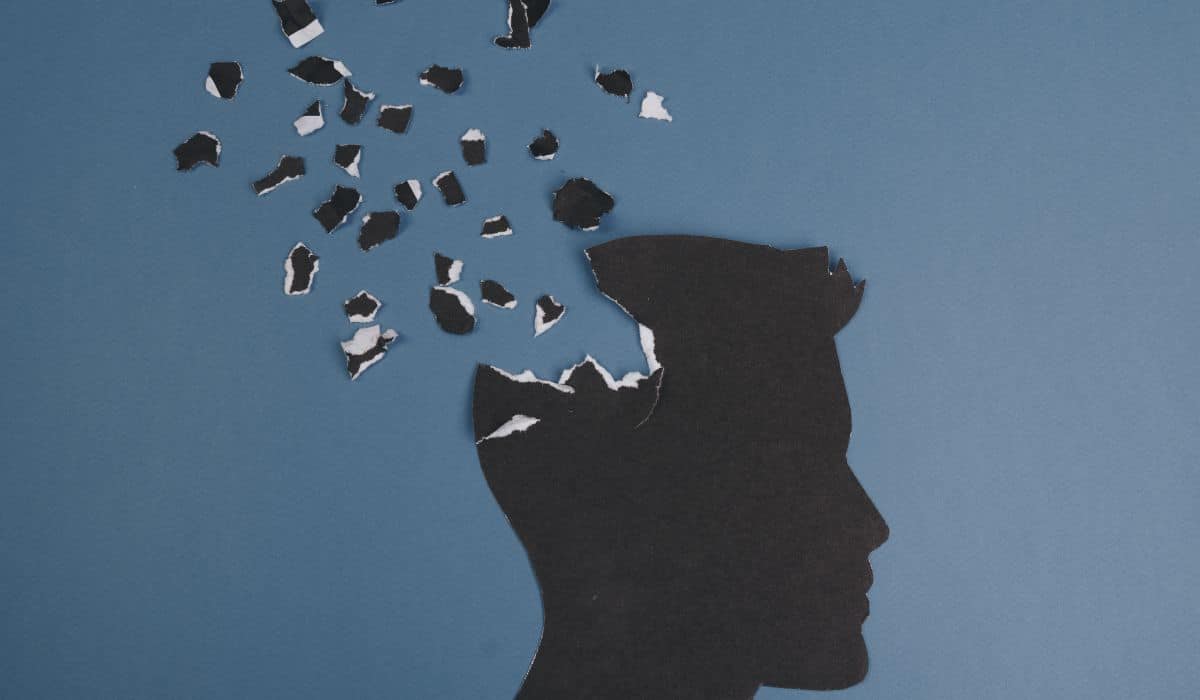
Trauma is a strong emotional response to a disturbing event. It can come from experiences like childhood trauma, domestic violence, sexual violence, accidents, or the loss of a loved one. Trauma doesn’t only affect emotions — it also changes how the brain and body work.
When someone goes through trauma, their mental health, behavior, and cognition can all shift. The mind tries to protect itself by changing how memories are stored or recalled.
The brain is amazing, but under stress, it can react in unusual ways. Let’s look at a few important brain parts that are linked to trauma and memory loss:
The hippocampus helps you form and store memories. During trauma, high levels of stress hormones can damage or slow down this part of the brain. This may cause memory gaps or confusion about when or how events happened.
The amygdala controls emotion, especially fear and arousal. When someone is traumatized, this part of the brain becomes overactive. It can make memories feel more vivid or trigger flashbacks when something reminds the person of the trauma.
The prefrontal cortex helps you think clearly and make decisions. Under trauma, this part may “shut down,” making it hard to focus, use attention, or recall information correctly.
The hypothalamus controls stress hormones in the body. When overactivated, it can make the brain stay in “fight, flight, or freeze” mode — which interferes with memory consolidation (the process of saving new memories).
Dissociation happens when the mind separates from the body or feelings to escape pain. People who dissociate often describe feeling “numb” or “out of it.”
In more severe cases, this can lead to dissociative amnesia, where the person cannot recall parts of a traumatic event or their autobiographical memory (life story). These memory gaps aren’t because of brain damage — they’re a way the mind protects itself from overwhelming pain.
Sometimes, traumatic memories get “hidden” in the mind — this is known as repressed memory. Years later, they might return as flashbacks, dreams, or strong emotions. While this is still a debated topic in psychology and neuroscience, many patients with trauma describe this exact experience.
Different types of memory can be affected by trauma:
Stress can make it hard to keep track of small things — like where you put your keys or what you were just saying. This affects working memory, which helps you hold information for short periods.
People with trauma may forget whole events or have false memories where their mind fills in missing pieces. Anterograde amnesia, where a person can’t form new memories after a trauma, can also occur after severe injury or shock.
Trauma can blur or block memories of personal experiences. You might remember facts but forget feelings or sensory details — or the other way around.
When someone faces danger, the brain releases stress hormones like cortisol. In short bursts, this helps survival. But in long-term trauma, it can damage brain cells in the hippocampus and disrupt memory encoding and consolidation.
The brain’s neuropsychology shows that repeated stress or substance abuse can raise the risk of lasting memory loss. The hypothalamus and amygdala become overstimulated, while areas responsible for calm thinking (like the prefrontal cortex) weaken.
This is why survivors of complex trauma — such as ongoing domestic violence or childhood abuse — often struggle with confusion, anxiety, or sudden emotional reactions.
When you forget parts of your past, it can feel scary. People may question their reality, emotions, or sense of self. This loss of connection between memory and consciousness can cause fear, guilt, or shame.
In therapy, these feelings are normal and valid. It’s important to remember that the mind may have chosen forgetting as a form of protection. Healing often means slowly reconnecting memories in a safe and supportive environment.
Yes, trauma can sometimes mimic dementia. People may forget names, lose focus, or repeat themselves. This is sometimes called “pseudo-dementia.” However, unlike true dementia, memory usually improves with therapy and emotional healing.
There are many ways to support recovery from trauma-related memory loss:
Dialectical Behavior Therapy (DBT): Helps people manage strong emotions and build coping skills.
Cognitive Behavioral Therapy (CBT): Helps patients identify negative thoughts and replace them with healthier ones.
Trauma-focused therapy: Uses safe techniques to process painful memories without re-traumatization.
Psychiatry support: Medication can help manage anxiety, sleep problems, or depression that come from trauma.
Recovery takes time, but there are ways to strengthen the brain and memory:
Practice mindfulness and grounding techniques.
Keep a journal to record daily thoughts and experiences.
Use relaxation tools like deep breathing or meditation to lower stress.
Avoid substance abuse, which can harm brain function and slow healing.
Get enough sleep, exercise, and nutrition to support mental health.
Modern neuroscience and psychology are helping us understand how trauma shapes the mind. Research using brain scans shows real physical changes in the hippocampus, amygdala, and prefrontal cortex after trauma.
Scientists are also exploring how therapy and learning can help the brain “re-wire” itself — a process called neuroplasticity. This means healing is not only possible but expected with the right care.
Flashbacks can feel like reliving the trauma all over again. They may be triggered by a smell, sound, or place. When this happens, grounding yourself in the present can help.
Try focusing on your breathing, touching a familiar object, or repeating calming phrases like, “I am safe now.” These small acts help reconnect the mind, body, and consciousness.
If you notice large gaps in your memory, confusion about your past, or distressing flashbacks, reach out to a mental health professional. Therapy can help you process trauma safely, and psychiatry can offer medical support if needed.
You deserve to understand your story without fear. Healing from trauma doesn’t mean forgetting — it means learning to remember without pain.
So, can trauma cause memory loss? Yes, it can — but it’s also the mind’s way of protecting itself. Through therapy, patience, and support, the brain can begin to recover.
Your memories are part of your story, and healing helps you reclaim them at your own pace. With the help of caring professionals and healthy coping tools, you can move forward with strength and understanding.

Trauma releases stress hormones that disrupt how memories are formed and stored in the brain. This can cause forgetting, confusion, or emotional amnesia.
Yes. Childhood trauma can lead to dissociation or repressed memories that resurface later in life. Therapy can help process these safely.
Not always. With therapy, emotional healing, and healthy habits, many people recover parts of lost memories or improve their recall.
Sometimes. During stress, the brain may fill in missing details, creating false memories. This is why working with trained therapists is important.
Dialectical behavior therapy, trauma-focused therapy, and psychiatry can all support recovery by rebuilding safety, memory, and emotional balance.