


Depression can make everyday life feel heavy and hard to manage. Many people ask, “how does therapy help in the treatment of depression?” The truth is, therapy offers hope and healing. With the right mental health professional, tools, and treatments, people with major depressive disorder can learn how to cope, manage stress, and rebuild joy.
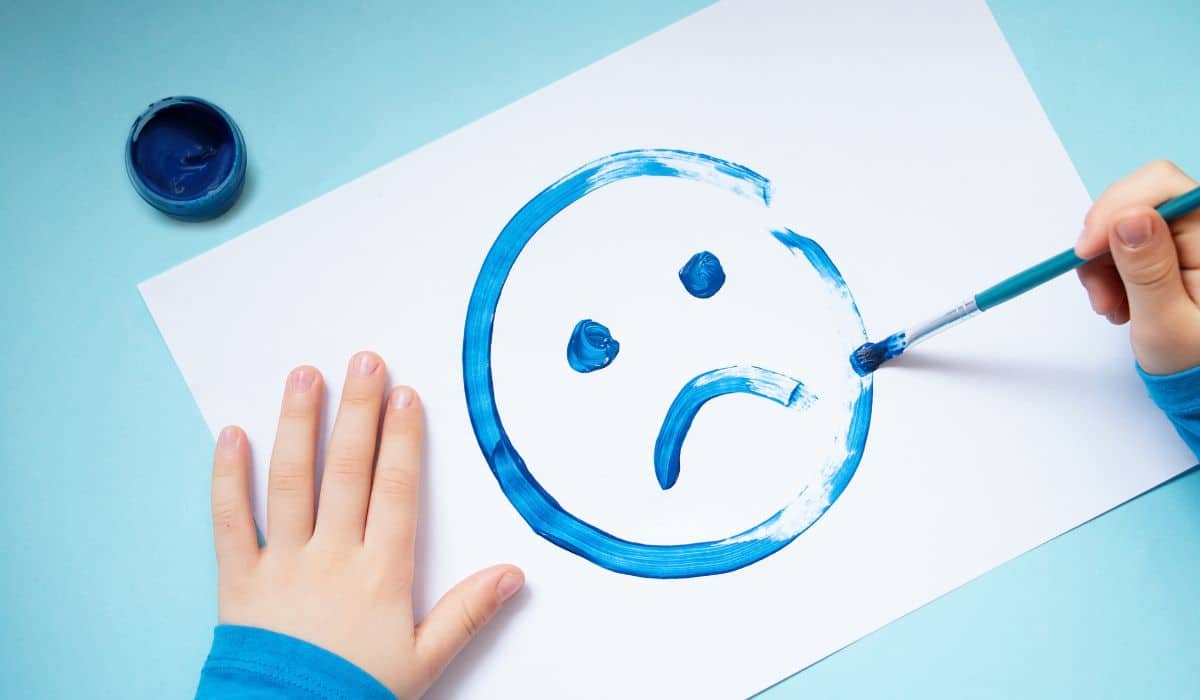
Depression is a serious mental health condition that affects mood, behavior, and thoughts. It can cause feelings of sadness, hopelessness, and loss of interest in things you once enjoyed. According to psychiatry experts and the American Psychiatric Association, depression can be mild, moderate, or severe.
A major depressive episode may include:
Feeling sad or empty most of the day
Trouble sleeping or sleeping too much
Changes in appetite or weight
Low energy or fatigue
Difficulty concentrating
Thoughts of death or suicide
When these symptoms last for weeks or months, it’s time to seek help from a mental health professional such as a therapist, psychiatrist, or psychologist.
Therapy is a form of treatment where a person works with a trained therapist to understand their feelings, thoughts, and behaviors. There are many types of therapies designed to treat depression, and each helps in different ways.
Therapy helps you learn new ways to cope, solve problems, and manage stress. It’s not just talking—it’s learning and healing through connection, support, and guidance.
One of the most effective approaches for depression is Cognitive Behavioral Therapy (CBT). It helps you recognize negative thought patterns and replace them with healthy ones. This kind of behavioral therapy teaches practical problem-solving and coping skills.
Dialectical Behavior Therapy (DBT) is another form of therapy that combines mindfulness, emotion regulation, and distress tolerance. Originally designed for borderline personality disorder, it’s also helpful for people who experience intense sadness, anger, or anxiety related to depression.
When depression affects a relationship, couples therapy can help both partners communicate better and build emotional support. A therapist can teach ways to handle conflict, reduce stress, and rebuild trust.
This therapy focuses on relationships and communication. It helps people identify patterns that cause emotional pain, such as grief, social isolation, or unresolved conflicts. IPT is often used for people going through a major depressive episode after loss or change.
This form of therapy explores how early life experiences and unconscious feelings impact current behavior and mood. It can uncover hidden pain that contributes to depression and anxiety.
Therapy helps people notice unhelpful thoughts like “I’m not good enough” or “nothing will ever get better.” A therapist teaches ways to challenge these ideas and replace them with realistic and hopeful thoughts.
Learning coping strategies is a big part of recovery. People with depression learn how to handle stress, manage emotions, and avoid unhealthy habits such as alcohol or substance abuse.
Many therapies focus on improving behavior—helping people take small steps toward positive action. Doing things like taking a walk, calling a friend, or practicing relaxation can lift mood and improve overall mental health.
Therapy also encourages a healthy lifestyle. This includes regular sleep, exercise, balanced meals, and relaxation. These actions support the brain’s chemistry and improve feelings of well-being.
Even after symptoms improve, therapy helps prevent relapse. It gives people ongoing tools to manage stress, handle triggers, and maintain a stable mood.
In some cases, therapy alone may not be enough. A psychiatrist or physician may prescribe antidepressant medication to help balance chemicals in the brain such as serotonin and norepinephrine.
Common medications include:
Selective Serotonin Reuptake Inhibitors (SSRIs) – These help increase serotonin levels by blocking its reuptake, improving mood.
Serotonin and Norepinephrine Reuptake Inhibitors (SNRIs) – These affect both serotonin and norepinephrine levels to relieve symptoms.
The dose and type of medicine are chosen carefully by a health professional to fit each person’s needs.
Research shows the best results often come from combining therapy and antidepressant use. Therapy helps people build life skills, while medication supports brain chemistry. Together, they make recovery faster and stronger.
When depression is severe or doesn’t respond to medication, electroconvulsive therapy (ECT) may be recommended. This medical procedure uses small electric currents to stimulate the brain, helping reset mood-regulating areas.
Neuromodulation treatments, such as vagus nerve stimulation, are another option for hard-to-treat depression. This therapy sends gentle electrical signals to the nerve that connects the brain and body, helping regulate mood and energy.
These approaches are performed by experienced health professionals and often combined with therapy for best results.
A therapist offers a safe space to talk openly about feelings. Many people with depression feel isolated or misunderstood. Talking with someone trained to listen helps reduce shame and builds trust.
Stress management is a key part of therapy. People learn how to relax, use deep breathing, and create calm spaces for themselves. These tools reduce tension and help prevent future major depressive episodes.
Many people with depression also face anxiety, substance abuse, or grief. A therapist can help address these problems, offering healthy coping strategies to replace harmful habits.
Therapists often work with other mental health professionals, like doctors or nutritionists, to support overall wellness. Improving sleep, eating well, and cutting down on alcohol all boost mental and physical health.
Therapy doesn’t just change thoughts—it changes the brain. Talking with a therapist and learning new ways of thinking can strengthen neural connections. This process helps balance chemicals like serotonin and norepinephrine, which affect mood and feeling.
The vagus nerve, which connects the brain to major organs, also plays a role in emotional balance. Certain therapies and breathing techniques stimulate this nerve, promoting calm and reducing stress.
If you or someone you love feels trapped in sadness or hopelessness, it’s important to reach out for help. You don’t have to face depression alone. Therapists, psychiatrists, and health professionals can guide you toward recovery.
Getting help early can prevent relapse, reduce suffering, and lead to long-term healing. Remember: asking for help is a sign of strength—not weakness.

Therapy helps people understand and manage negative thoughts, behaviors, and emotions. It teaches coping skills, reduces stress, and builds self-confidence.
Cognitive Behavioral Therapy (CBT) and Dialectical Behavior Therapy (DBT) are two of the most effective treatments. They focus on changing negative thinking and improving emotional control.
Yes. Many people benefit from both antidepressants and therapy. Medications like selective serotonin reuptake inhibitors help balance brain chemicals, while therapy builds long-term skills for healing.
It depends on the person. Some may feel better in a few months, while others need longer-term care. A therapist can help create a personalized treatment plan.
Yes. Therapy teaches lifelong tools for stress management, emotional awareness, and healthy routines—all of which lower the risk of relapse.
So, how does therapy help in the treatment of depression? It offers understanding, skills, and healing. Therapy helps people rebuild hope, restore balance, and connect again with life.
If you’re struggling, remember that help is available. With support from therapists, psychiatrists, and other mental health professionals, you can find your path toward recovery and peace.