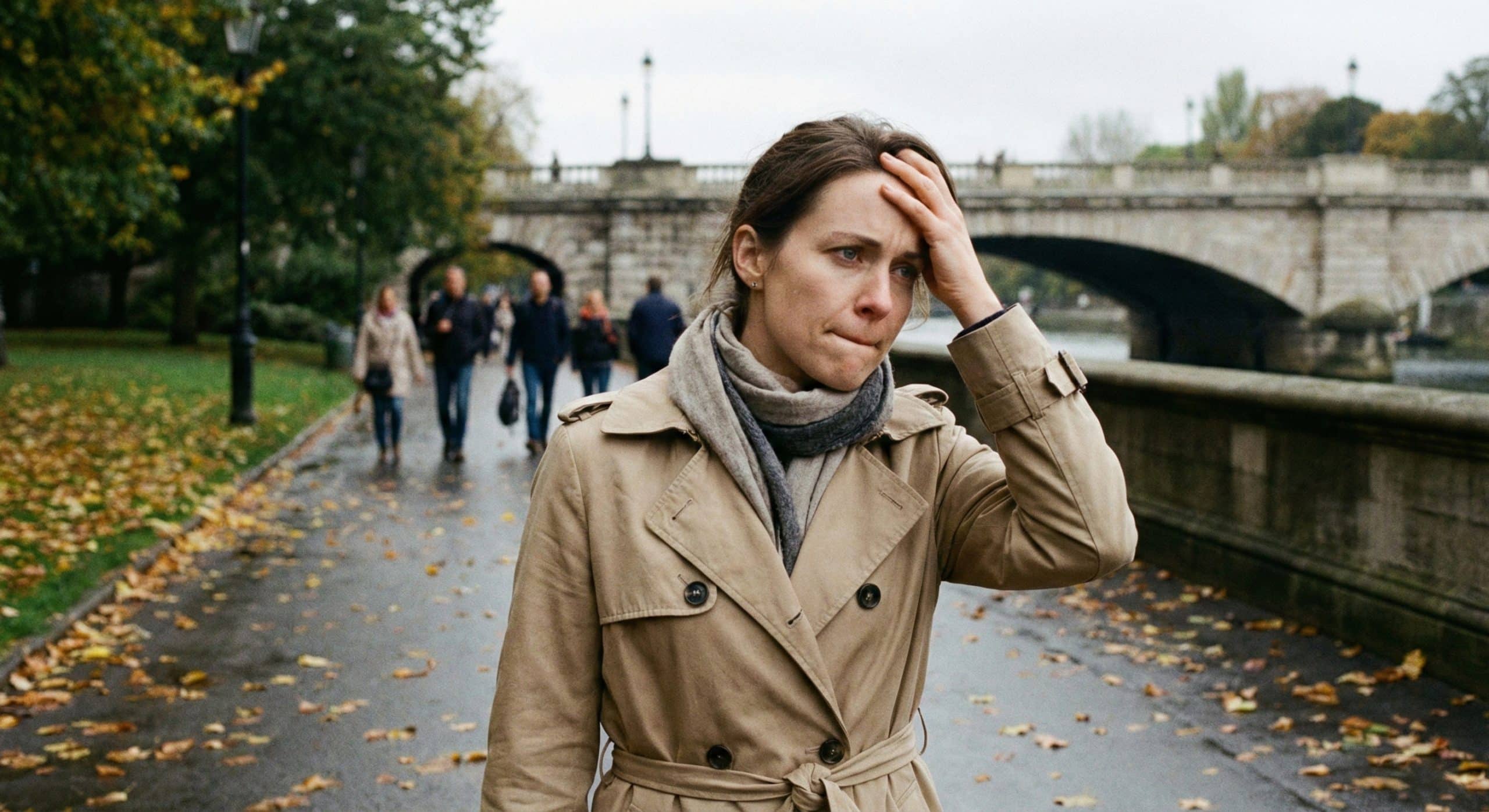

Have you ever felt tired but still could not sleep because your brain would not stop worrying? Many people with anxiety also have sleep problems. These two issues are closely linked. When your mind is busy and stressed, your body has a hard time resting. When you do not sleep, your mental health can feel even worse.
This article explains, in simple words, how anxiety and sleep affect each other and what you can do about it. We will talk about insomnia, racing thoughts, panic, and how therapy and healthy habits can help.
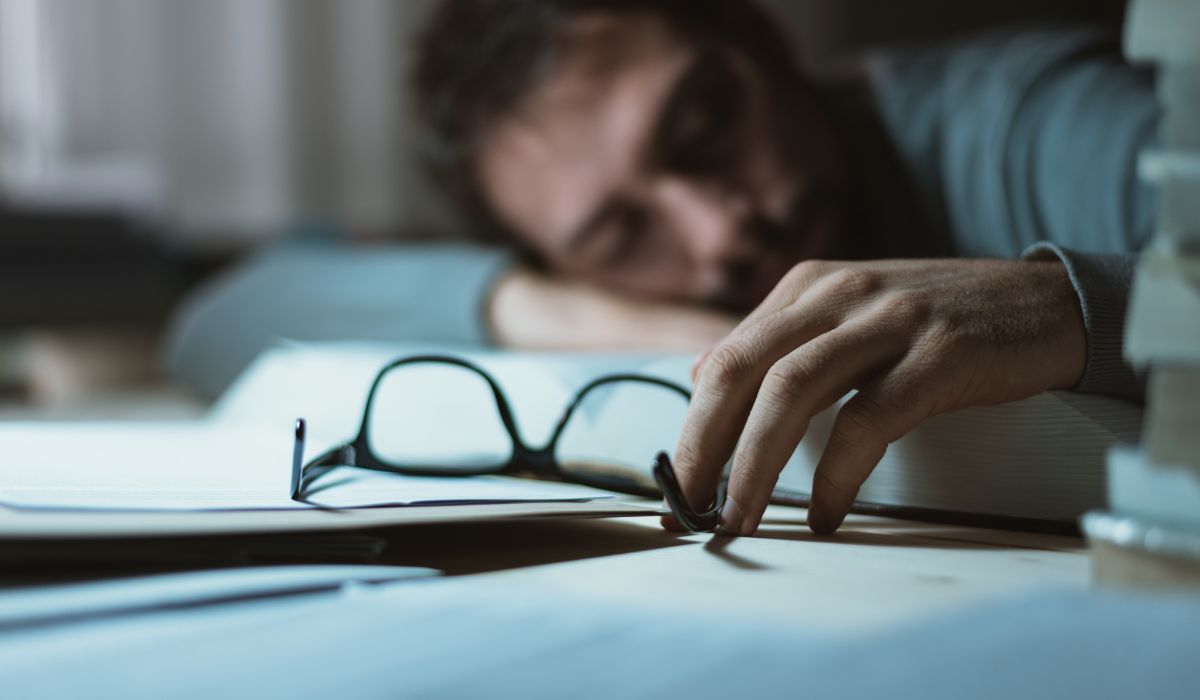
What Is Anxiety?
Anxiety is more than just feeling nervous before a big test or a job interview. Anxiety is when your brain and body feel stuck in worry and fear, even when you are not in real danger.
How Does Anxiety Feel in the Body?
Anxiety can show up in your body in many ways, such as:
Fast heartbeat
Tight chest
Sweaty hands
Upset stomach
Shaky or tense muscles
You may feel restless, like you cannot sit still. Your thoughts may race. You might think of the worst thing that could happen, over and over.
How Common Is Anxiety and Trouble Sleeping?
Many people live with anxiety disorders, such as:
Generalized anxiety disorder (GAD) – constant worry about many things
Social anxiety disorder – strong fear of being judged by others
Panic disorder – sudden panic attacks with intense fear and body symptoms
These anxiety disorders often come with sleep problems, like trouble falling asleep, waking up many times, or waking too early.
What Is Healthy Sleep and Why Does It Matter?
Sleep is not just “off time.” It is when your body and brain do important work. Good sleep protects your health, mood, and memory.
What Happens in Your Brain During Sleep?
During sleep, your brain:
Stores important memories
Cleans out waste products
Balances brain chemicals that affect emotion and stress
Helps your body heal and fight illness
When you get enough sleep, you think more clearly, handle stress better, and feel more calm during the day.
How Much Sleep Do Most People Need?
Most adults need about 7–9 hours of sleep each night. Teens often need a bit more. If you are getting much less, you may feel:
More anxious
More irritable
More tired and foggy
How Does Anxiety Affect Sleep?
Anxiety and sleep can feel like a bad cycle. Anxiety makes it hard to sleep. Then being tired makes your anxiety worse.
Why Do Racing Thoughts Keep You Awake?
When you lie down, your brain finally gets quiet from the day. For people with anxiety, this quiet time can become “worry time.” Your mind might think:
“What if I fail tomorrow?”
“What if something bad happens to my family?”
“Did I say something stupid today?”
These racing thoughts signal your brain that there is danger. Your body turns on the fight-or-flight stress response, which makes it even harder to relax and fall asleep.
How Does Anxiety Show Up at Night?
At night anxiety may cause:
Trouble falling asleep (taking more than 30 minutes to sleep)
Waking up many times and checking the time
Feeling jumpy at every noise
Feeling your heart pounding when you try to rest
Can Worry Cause Insomnia and Nightmares?
Yes. Long-lasting worry can lead to chronic insomnia, where you struggle with sleep for at least three nights a week over several months. Some people also have nightmares or anxious dreams that wake them up and make them afraid to go back to sleep.
Can Poor Sleep Make Anxiety Worse?
Poor sleep does not just make you tired. It can make your anxiety symptoms stronger and harder to manage.
What Happens When You Do Not Sleep Enough?
When you do not get enough sleep, your brain has a harder time:
Controlling strong emotions
Focusing and paying attention
Making good decisions
Lack of sleep can raise stress hormones in your body. This makes you feel more on edge and “wired,” even when you are exhausted.
How Do Sleep Problems Change Mood and Stress?
Poor sleep can cause:
More irritability
More worry and negative thoughts
Less patience with family and friends
Higher risk of depression and stronger anxiety disorders
So, poor sleep and anxiety feed each other, creating a loop that is hard to break without help.
What Are Signs You Have Anxiety-Related Sleep Problems?
How do you know anxiety is part of your sleep troubles and not just a busy week?
What Physical Signs Should You Watch For?
You may notice:
Tight neck and shoulder muscles at night
Fast heartbeat when you lie down
Stomach pain or nausea before bed
Headaches from lack of rest
What Thoughts and Feelings Should You Notice?
You may also:
Dread going to bed because you “know you won’t sleep”
Worry about how little sleep you will get tonight
Feel afraid of dreams or waking up
Feel hopeless, like sleep will never get better
If this sounds familiar, anxiety may be a big part of your sleep disorder.
When Should You Talk to a Mental Health Professional?
You do not have to wait until things are very bad to get help.
What Are Red Flags You Should Not Ignore?
Talk to a doctor, therapist, psychologist, or psychiatrist if:
You have trouble sleeping at least three nights a week for more than a month
Anxiety or insomnia affects your work, school, or relationships
You feel very sad, numb, or hopeless
You think about hurting yourself or feel like life is not worth it
If you have any thoughts of self-harm, seek help right away by calling emergency services or a crisis line in your area.
How Can Therapy Help Anxiety and Sleep?
A mental health professional can:
Check for generalized anxiety disorder, panic disorder, or other conditions
Look for medical issues, like sleep apnea or thyroid problems
Offer therapy, such as cognitive behavioral therapy (CBT)
Talk with you about safe medications if needed
Many people now use online therapy or telehealth so they can talk to a therapist from home, even in the evening.
What Treatment Options Can Help Anxiety and Sleep?
There are several treatment paths that can help calm your mind and improve sleep.
How Can Cognitive Behavioral Therapy (CBT) Help?
Cognitive behavioral therapy is a type of talk therapy that helps you:
Notice unhelpful thoughts like “I’ll never sleep”
Challenge those thoughts with more balanced ideas
Learn coping skills for stress, worry, and panic
CBT has strong research support for both anxiety and depression.
What Is CBT for Insomnia (CBT-I)?
CBT-I is a special form of CBT made just for insomnia. It can help you:
Change habits that keep you awake
Set a regular sleep schedule
Spend the right amount of time in bed
Use relaxation skills at night
CBT-I is often just as effective as sleep medication and can have longer-lasting results.
Can Medication Help with Anxiety and Sleep?
Sometimes, a doctor or psychiatrist may suggest medicine, such as:
Anti-anxiety medication
Antidepressants
Short-term sleep aids
Medication can help your nervous system settle down. But pills work best when combined with therapy and healthy habits. Always take medication exactly as your doctor says, and never mix it with drugs or alcohol.
How Can Online Therapy Support You?
With telehealth mental health services, you can:
Meet with a therapist by video from home
Talk about anxiety and sleep in a safe space
Practice coping skills and get support in real time
Learn tools you can use every night
Online therapy is helpful for people who live far from clinics or have busy schedules.
What Simple Habits Can Calm Anxiety Before Bed?
Small, steady changes can make bedtime feel safer and calmer.
How Can You Build a Calming Night Routine?
Try these ideas:
Go to bed and wake up at the same time every day
Start winding down 30–60 minutes before bed
Turn down bright lights and screens
Do the same relaxing steps each night (wash face, brush teeth, gentle stretch)
Your brain learns that this routine means “it’s time to sleep.”
What Relaxation Skills Can You Try?
Simple tools that may help include:
Deep breathing – slow breaths in through your nose, out through your mouth
Progressive muscle relaxation – gently tighten and relax each muscle group
Guided imagery – imagine a safe, peaceful place like a beach or forest
Mindfulness – notice your breath or body without judging your thoughts
These skills tell your nervous system it is safe to relax.
How Can You Make Your Bedroom Sleep-Friendly?
Try to make your bedroom:
Dark and quiet (or use a fan or white noise)
Cool but comfortable
Free from phones, laptops, and work papers
Use your bed mostly for sleep and intimacy, not for homework or scrolling. This helps your brain connect bed with rest, not stress.
What Should You Avoid Before Bed?
If you struggle with anxiety & sleep, avoid:
Caffeine (coffee, energy drinks, some teas) in the afternoon or evening
Heavy meals right before bed
Alcohol, nicotine, or other substances
Scary or upsetting news or social media at night
These can all make anxiety worse and disturb your sleep cycle.
How Can You Cope with Anxiety During the Night?
Even with good habits, you may still wake up sometimes. That is normal.
What Can You Do If You Wake Up Worried?
If you wake up anxious:
Remind yourself: “I am safe right now.”
Keep lights low so your brain knows it is still night
Try a simple breathing exercise for a few minutes
If you are wide awake after about 20 minutes, get out of bed and do something quiet and calm (like reading a simple book) until you feel sleepy again. Then go back to bed.
How Can You Use Breathing and Grounding?
Grounding helps you come back to the present moment. You can try:
Look around and name 5 things you see
Notice 4 things you can touch
Listen for 3 sounds
Notice 2 things you can smell
Think of 1 thing you are grateful for
This can pull your mind away from scary “what if” thoughts.
When Should You Get Out of Bed?
If you feel frustrated, stressed, or start to worry about the clock, it is often better to:
Leave your bed
Sit in a comfy chair
Do something calm (no phone or bright screens)
Go back to bed when you feel sleepy again. This teaches your brain that bed is for sleep, not stress.
How Can Friends and Family Support Someone with Anxiety and Sleep Problems?
If someone you love has anxiety and sleep issues, you can help by:
Listening without judging
Keeping noise lower at night
Supporting healthy routines
Encouraging them to talk to a mental health professional
Joining them in trying calming activities, like a short walk or stretching
Kind support from others can make the healing journey feel less lonely.
What Is the Big Picture on Anxiety & Sleep?
Anxiety and sleep are strongly tied together. Anxiety can keep you awake, and lack of sleep can make anxiety worse. The good news is that this cycle can be broken.
With the right mix of:
Professional help, like therapy, CBT, or CBT-I
Safe medication when needed
Healthy night routines and relaxation skills
Support from friends, family, and maybe online therapy
you can start to sleep better and feel calmer during the day.
You are not weak for struggling with anxiety and sleep. Your brain and body are trying to protect you. With help and practice, you can train them to feel safe again.
FAQs About Anxiety & Sleep
1. Is it normal to feel more anxious at night?
Yes. At night there are fewer distractions, so your brain may focus more on worries. This can make anxiety symptoms feel stronger and keep you awake.
2. Can anxiety cause long-term insomnia?
Yes. Ongoing anxiety can lead to chronic insomnia, where you struggle with sleep for months. The good news is that CBT, CBT-I, and other therapies can help.
3. Will sleeping pills fix anxiety and sleep problems?
Sleeping pills may help for a short time, but they usually do not fix the root causes of anxiety. They work best when combined with therapy, coping skills, and healthy sleep habits. Always follow your doctor’s advice.
4. How fast can therapy improve my sleep?
Everyone is different. Some people notice better sleep in a few weeks. For others it takes longer. Regular therapy, practice of skills, and steady routines help the process.
5. Can online therapy really help with anxiety and sleep?
Yes. Many people find online therapy very helpful. You can talk with a therapist from home, learn coping skills, and build a plan to improve both anxiety and sleep in a way that fits your life.