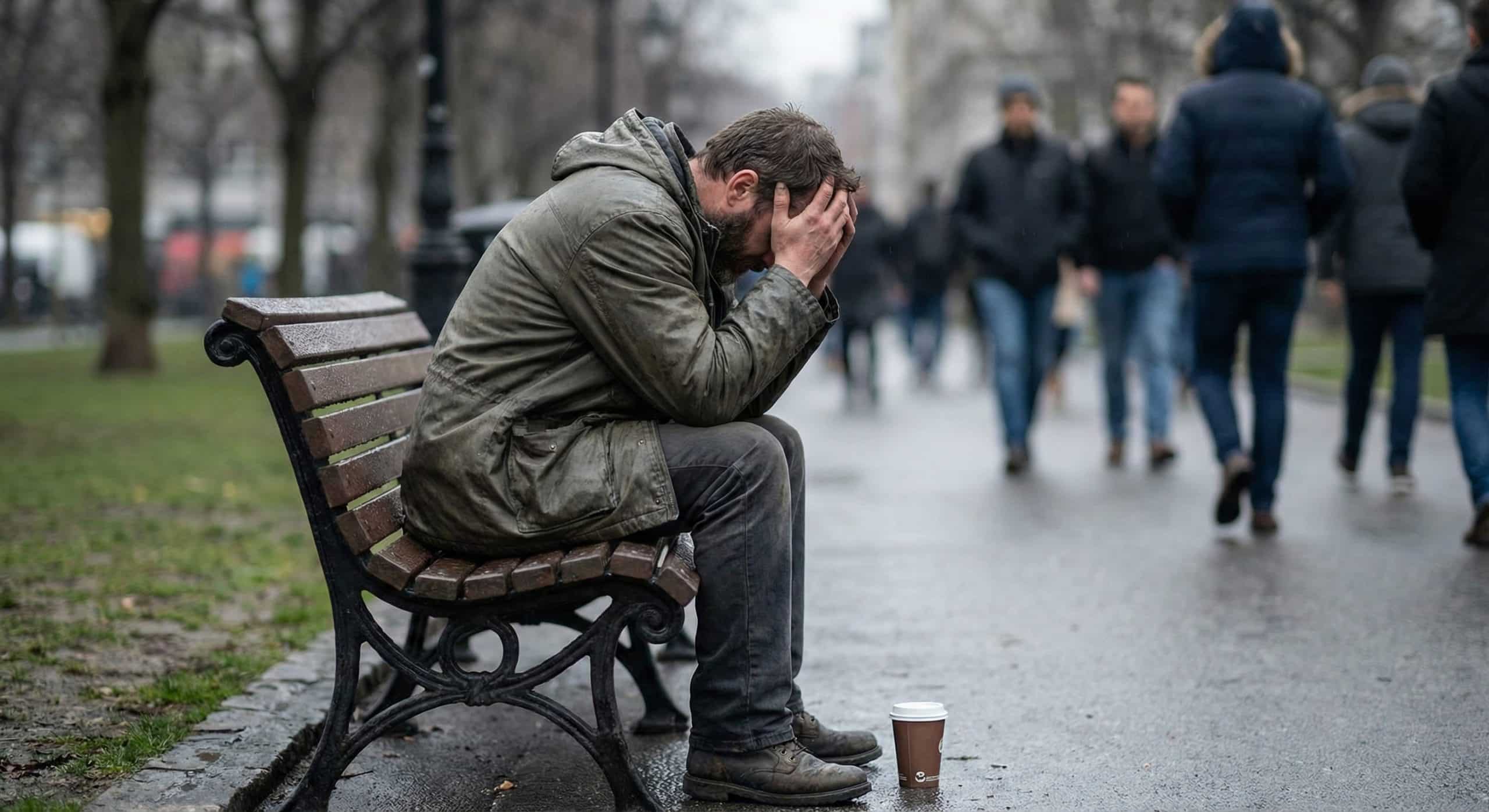


A crisis situation is a serious moment when a person feels unsafe, overwhelmed, or unable to cope. It can happen fast, like after an accident. Or it can build over time, like stress that keeps getting worse.
In a crisis, daily problem-solving may stop working. Your body and brain can feel like they are in “alarm mode.” A crisis can affect your mental health, physical health, relationships, school, or work.
A crisis is not only “big news” events. It can also be private—something happening inside you, like panic, depression, or thoughts of self-harm. What defines a crisis is not just the event. It’s also how much it impacts your safety, your thinking, and your ability to function.
A crisis is when:
The situation feels urgent or dangerous
You feel overwhelmed or out of control
You may not be able to keep yourself (or someone else) safe
You need support right away

During a crisis, your brain may focus on survival. This can make it hard to think clearly. You might:
Feel shaky, angry, numb, or confused
Have racing thoughts
Cry more easily or feel “shut down”
Struggle with sleep, eating, or focus
Feel panic, fear, or hopelessness
These reactions are common. They do not mean you are “weak.” They mean your body is responding to high stress.
Stress hormones can rise quickly. Your heart rate may go up. Your breathing can change. You might feel like you can’t calm down. This is one reason a crisis can feel so urgent.
A crisis can look different for each person, but there are common warning signs.
You feel unsafe or fear someone will hurt you
You have thoughts of suicide or self-harm
You can’t stop panic, anxiety, or fear
You feel out of touch with reality (confusion, extreme paranoia)
You feel unable to control anger or impulses
You are using drugs or alcohol in a risky way
You cannot take care of basic needs (sleep, food, hygiene)
You feel trapped, hopeless, or like nothing will get better
Some crises are “quiet.” You may still be going to work or school, but inside you feel like you’re falling apart. If you feel like you cannot cope and things are getting worse, that can still be a crisis.
A crisis situation can happen in many areas of life. Here are common types.
A mental health crisis can include:
Severe anxiety or panic attacks
Deep depression or major mood changes
Suicidal thoughts
Self-harm urges
Psychosis symptoms (hearing/seeing things others don’t, strong delusions)
This may happen after:
A breakup or divorce
Grief after a death
Being bullied or rejected
Major shame, guilt, or fear
Even if others don’t understand, your pain is real.
Examples include:
Domestic violence
Serious conflict at home
Child custody stress
A partner threatening harm
Feeling controlled, watched, or trapped
Examples:
A sudden diagnosis
A serious injury
Severe pain or disability changes
Medication reactions
Medical issues can also affect mental health, including mood, anxiety, and sleep.
Examples:
Fire, flood, or severe weather
Community violence
Job loss in a community
A public tragedy
These events can cause trauma responses even if you were not physically harmed.
Not every hard moment is a crisis. Life includes stress. But a crisis has special features.
A situation is more likely a crisis when it includes:
Unbearable feelings (pain feels too big)
Unstable safety (risk of harm)
Unable to cope (your usual coping skills aren’t working)
A hard time may still be painful, but you can usually function and stay safe. In a crisis, safety and coping can break down.
A crisis can start from one big event or many smaller stressors.
Trauma or reminders of past trauma
Loss (death, breakup, job loss)
Money stress, eviction, food insecurity
Sleep deprivation
Substance use or withdrawal
Ongoing conflict or abuse
Major life changes (moving, new baby, new school)
Untreated mental illness symptoms
When stress builds for weeks or months, even a small problem can feel like “the last straw.” That does not mean the small problem is the real cause. It may mean your system is already overloaded.
Some crisis situations include immediate danger. These are the moments when you should treat it like a safety emergency.
A plan to self-harm or attempt suicide
Access to weapons or means of harm
Threats of violence to others
Severe intoxication with unsafe behavior
Hallucinations or delusions telling you to do dangerous things
Domestic violence where you fear serious harm
If you or someone else is in immediate danger, call local emergency services right away.
When you are in crisis, you don’t need perfect solutions. You need small steps that increase safety and support.
Try one:
Move to a safer space (a public area, a room with another person)
Put distance between you and anything you could use to harm yourself
If you’re overwhelmed, sit down and place both feet on the floor
Take 5 slow breaths (in through the nose, out through the mouth)
Crisis grows in silence. Reach out to:
A trusted friend or family member
A teacher, coach, or faith leader
A mental health professional
A crisis line in your area
A simple message works:
“I’m not okay. I think I’m in a crisis and need support right now.”
Support can include:
Telehealth therapy
Psychiatry for medication support
A same-day urgent appointment
A crisis evaluation if safety is at risk
Treat Me offers telehealth mental health support, and reaching out quickly can help you stabilize and make a plan.
A mental health professional may look at:
Risk level (harm to self or others)
Ability to function (work, school, daily care)
Symptom severity (panic, depression, mania, psychosis)
Support system (are you alone or supported?)
Protective factors (reasons to live, coping skills, safe home)
This kind of clinical view helps decide what level of care you need.
Outpatient therapy (weekly sessions)
Intensive outpatient programs (IOP) (more support each week)
Crisis stabilization services (short-term urgent care)
Emergency care (if there is immediate danger)
The goal is not to label you. The goal is to keep you safe and help you recover.
If someone you care about is in a crisis, your calm support matters.
“I’m here with you.”
“You’re not alone.”
“Let’s take this one step at a time.”
“Do you feel safe right now?”
“Can we call for help together?”
“Just calm down.”
“It’s not that bad.”
“You’re overreacting.”
“Other people have it worse.”
Even if you mean well, those phrases can make the person feel more alone.
Coping skills do not “fix” a crisis, but they can reduce the intensity so you can choose safer actions.
Cold water on your face or hold an ice cube (can reduce panic)
5-4-3-2-1 grounding: name 5 things you see, 4 you feel, 3 you hear, 2 you smell, 1 you taste
Text a safe person and ask them to stay with you (even virtually)
Write one sentence: “Right now I feel ___, and I need ___.”
Move your body for 2 minutes (walk, stretch, shake out arms)
These tools support the brain’s ability to think again.
After a crisis, many people feel embarrassed or tired. But follow-up care is important. A crisis can be a sign that your needs have been unmet for a while.
Crises keep happening
Anxiety or depression symptoms are getting worse
Sleep problems are ongoing
You’re using substances to cope
You feel stuck, hopeless, or unsafe at home
You had suicidal thoughts, even if they passed
With the right plan, many people feel better and more stable over time.
Treat Me is a telehealth mental health provider that can support people dealing with high stress, anxiety, depression, trauma symptoms, and other mental health challenges.
Therapy sessions focused on coping and safety planning
Help identifying triggers and warning signs
Building a support system and crisis plan
Referrals to higher levels of care if needed
If you are unsure whether your situation “counts” as a crisis, it’s still okay to reach out. Getting help early can prevent things from getting worse.

A mental health crisis is when symptoms like panic, depression, suicidal thoughts, or psychosis feel out of control and create safety risks or make it hard to function.
It can be. If panic feels unmanageable, causes unsafe behavior, or makes you feel like you might harm yourself, it should be treated as a crisis and you should seek support.
Focus on safety first, reach out to a trusted person, and contact professional help. Small steps like grounding and moving to a safer space can help right away.
Warning signs include talk of self-harm, extreme mood changes, reckless behavior, threats, severe intoxication, or being unable to do basic daily tasks. Ask directly if they feel safe.
Online therapy can help with immediate support, coping skills, and safety planning. If there is immediate danger, emergency services or urgent crisis care may be needed first.