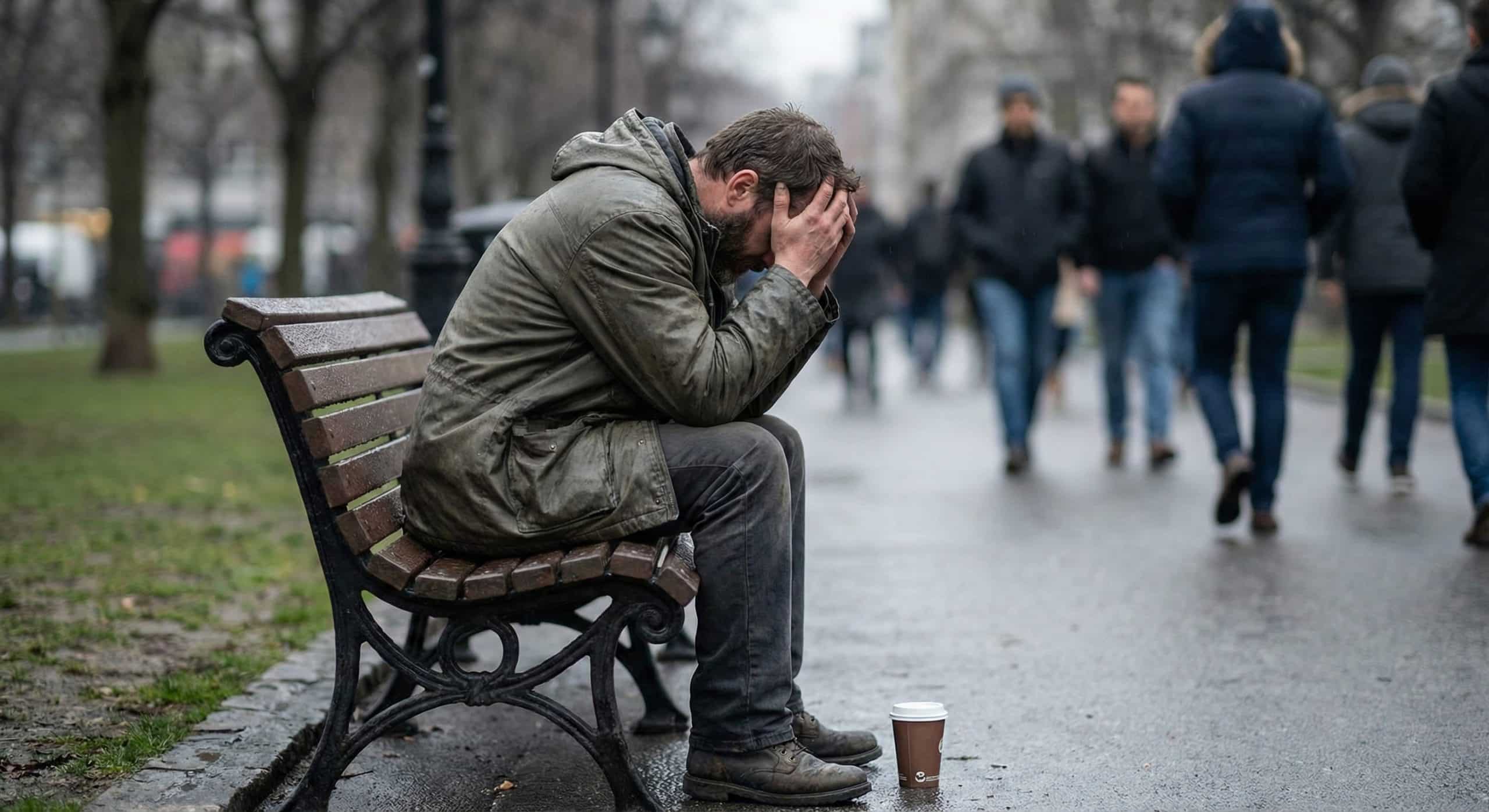

Trauma anxiety happens when a scary or painful event keeps your mind and body on “high alert.” This trauma can come from many kinds of abuse, violence, or loss. It can be:
Childhood trauma from a dysfunctional family
Sexual abuse or physical abuse
Domestic violence or assault
Other adverse childhood experiences, like neglect or a parent with substance abuse
Your mind, emotion, and behavior may keep acting like the danger is still there, even when you are now safe. This can create strong anxiety, fear, and mental distress.
Common symptoms of trauma anxiety include:
Racing thoughts and hypervigilance (always on edge)
Trouble sleeping or insomnia
Strong anger, shame, or grief
Big changes in mood or a possible mood disorder
Body tension, stomach pain, headaches
Feeling unsafe, numb, or “far away”
If this sounds like you, you are not broken. Your brain and body are trying to protect you. Online therapy for trauma anxiety can help you feel safer and more in control again.
Trauma does not live only in your memories. It can change your cognition (how you think) and your body signals.
After trauma, your thought patterns may shift:
You may think, “I am not safe,” even at home.
Your attention can jump to every small sound.
You may expect risk, danger, or violence everywhere.
This can lead to:
Strong fear and worry
Deep sadness and grief
Intense anger that is hard to manage
Heavy shame and self-blame
A mental health professional or health professional uses psychology and research to understand these patterns. They can give you a clear diagnosis if needed, such as PTSD, bipolar disorder, or an anxiety or mood disorder.
Trauma and mental health conditions can also affect brain chemicals like serotonin. Some medication, such as SSRIs, change serotonin reuptake in the brain. A psychiatry provider or health insurance–covered prescriber may talk about this with you.
Medication is not the only tool, but it can be part of your healing plan along with therapy and healthy lifestyle changes.
Online therapy for trauma anxiety lets you get help from home. This can feel safer, especially if leaving your house is hard or if you live far from a center.
Online care increases accessibility:
You can meet a licensed therapist or mental health professional by video, chat, or telephone.
You can choose times that fit school, work, or caregiving.
You can talk from a private room, car, or quiet corner that feels safe.
For many, home becomes a calm “talk space” where healing can start. Online care can feel like a small, personal center for your healing.
Many insurance plans and health insurance now cover online counseling and services. At Treat Me, our licensed providers can help you check your benefits and see what your plan covers.
Online therapy also supports your overall health:
Lower stress can help with pain and blood pressure.
Better sleep can ease insomnia and mental distress.
Less anxiety can reduce urges toward substance abuse or unsafe behavior.
Different types of therapy help different people. Your therapist will choose the mix that fits your story, symptoms, and goals.
In talk therapy, you and your therapist have a safe conversation about your feelings, memories, and emotion. This is sometimes called counseling.
A mental health or health professional helps you:
Name your feelings (fear, sadness, shame, anger)
Understand how trauma shapes your behavior
Learn tools to calm your body and mind
Therapy is not about blaming you. It is about understanding what happened and how to support your healing.
Some people benefit from treatments based on psychology and cognition (how you think).
Cognitive behavior therapy (CBT) helps you:
Notice unhelpful thought patterns like “It was my fault”
Learn to question those thoughts
Build new, kinder ways of thinking about yourself
Exposure therapy and desensitization slowly help your brain learn that certain triggers are now safe. You might talk or write about parts of the trauma, step by step, with strong support. Over time, your fear response can shrink. This is always done at your pace and with care for your risk and safety.
Dialectical behavior therapy (DBT) is another type of therapy often used for trauma, self-harm, and intense emotions. DBT and anger management skills can help you:
Notice when your anger or shame is rising
Use coping tools before you explode or shut down
Stay in control during conflict
These tools can also support people living with bipolar disorder, borderline traits, or other mood challenges.
Trauma can affect relationships. You may feel distant, clingy, or easily upset. Couples therapy or family sessions can help:
Partners understand trauma and mental health
Families learn how to support without pressure
Loved ones learn safer ways to handle anger and violence
If your trauma came from domestic violence, sexual abuse, or physical abuse, your safety comes first. Therapists at Treat Me will always put your protection and comfort above relationship repair.
In online therapy for trauma anxiety with Treat Me, you meet a licensed therapist who understands trauma, childhood pain, and mental health.
A session might include:
Checking in on your mood, sleep, and symptoms
Talking about recent triggers or mental distress
Learning a new coping skill (like breathing or meditation)
Telling part of your narrative (your life story) when you feel ready
You do not have to share every detail of abuse, assault, or violence right away. You are the patient and you are in charge of what you share. The therapist moves at your pace and respects your limits.
Therapy is not only talking about the past. It is also learning new skills for today.
Your Treat Me therapist can teach you:
Coping tools for strong emotions
Short exercise breaks to release stress
Meditation and grounding to calm racing thoughts
Sleep habits to reduce insomnia
Ways to handle shame and self-blame
You might create a daily plan like:
5 minutes of deep breathing for anxiety
10 minutes of walking or light exercise
A bedtime routine to help your brain slow down
A list of people and numbers to call when you feel unsafe
These simple habits support both your mental and physical health.
Sometimes trauma anxiety becomes very strong. It may lead to:
Thoughts of self-harm or hurting someone else
Heavy urges toward substance abuse
Out-of-control anger or violence at home
Signs of serious mood disorder or mental distress
If you are in immediate danger, call 911 or your local emergency number right away. You can also reach out to a crisis line in your area.
Online therapy is powerful, but crisis or medical emergencies may need in-person help at a hospital or crisis center. Your Treat Me provider can help you know when that is needed and support you before and after.
Here are simple steps to begin:
Search for Treat Me and explore our trauma care.
Check your insurance or health insurance plan or ask us to help you verify coverage.
Fill out a short form about your symptoms, history of childhood trauma, sexual abuse, physical abuse, or other adverse childhood experiences if you feel safe to share.
Get matched with a licensed therapist or other providers who understand trauma and mental health.
Choose how you want to meet: video, phone (telephone), or secure messaging.
From there, we build a care plan together. You do not have to walk through trauma anxiety alone. Treat Me is here to help you feel safer in your own body and mind.

Yes, many studies in research show that online therapy can be just as helpful as in-person care for trauma, anxiety, and other mental health issues. As long as you work with a licensed mental health professional and feel safe, online care can support deep healing.
Yes. Many people seek help for childhood trauma, dysfunctional family patterns, and other adverse childhood experiences. Online therapy offers a safe place to talk about childhood pain, change unhelpful behavior, and build new skills, even if your family does not change.
Your safety is the top priority. Therapists at Treat Me understand domestic violence, sexual abuse, physical abuse, and assault. Together, you and your provider will make a safety plan, explore community resources, and move at your pace. You never have to share details you are not ready to share.
Not everyone needs medication. Some people improve with therapy, skills, and lifestyle changes, like exercise and meditation. Others may benefit from medicine that affects serotonin reuptake or other brain chemicals. A psychiatry or medical health professional can talk with you about options. Your Treat Me team helps you decide what feels right for you.
Healing is different for each patient. Some people feel less stress, fewer racing thoughts, and better sleep after a few weeks. For long-term trauma, it may take months to work through your narrative and build strong coping skills. What matters most is steady effort, a trusting conversation with your therapist, and a care plan that fits your life. With time, many people see big changes in their mood, attention, and sense of safety.