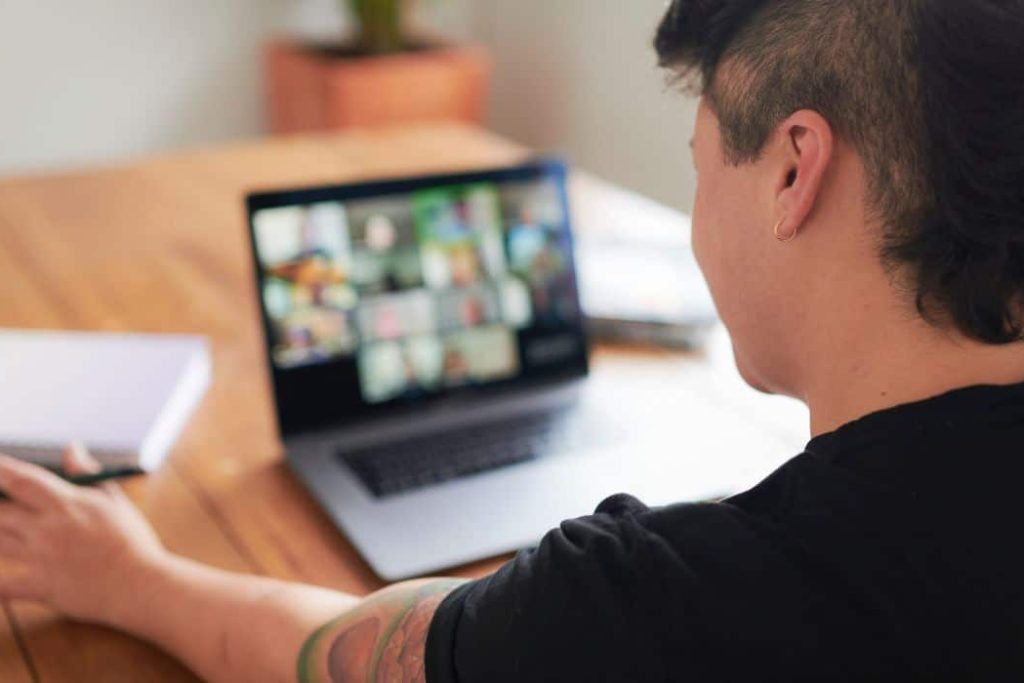

Online group therapy is when a small group of people meet on the internet to talk with a licensed mental health professional. These virtual group meetings help people with feelings, behaviors, and thoughts. You meet others who feel the same and get support in a safe space. Each group has a trained therapist or psychiatric provider to guide the conversation.
Online group therapy gives you skills, support, and space to heal. You can share your story and listen to others in therapy groups. It’s a great way to build confidence and coping tools.
You only need the internet and a device. Many people use a patient portal to join group sessions. It’s perfect for those who live far away or can’t travel.
Group therapy is often cheaper than one-on-one counseling. Many groups accept health insurance, Medicare, or offer help with your deductible.
You’ll join a group that understands what you’re going through. This peer support helps with motivation and reduces social stigma around mental health.

Each skills group includes 5–10 people. A mental health professional leads the talk. Sessions may include:
Sharing your feelings like anger, fear, or panic
Learning how to handle stress or insomnia
Talking about mood changes or disorders like bipolar disorder
Learning tools from dialectical behavior therapy
Growing insight into your behavior and emotion
Practicing healthy ways to cope
Many people can benefit, including those with:
If you feel worried all the time, you may have anxiety or an anxiety disorder. Group therapy helps you understand your feelings and learn management tools.
Major depressive disorder can feel heavy and lonely. Sharing in a group can help lift that weight and bring motivation and hope.
People in recovery from substance abuse or addiction often find help in support groups. Groups also help manage anger and rebuild confidence.
Group sessions help those with bipolar disorder, narcissistic personality disorder, or avoidant personality disorder learn how to manage their behavior and build better relationships.
Group therapy uses exposure therapy and conversation to talk about past pain, phobia, or tough feelings. It helps you feel less alone and more in control.
People in the LGBTQ community often face unique mental health challenges. Group therapy offers a safe space and real peer support to grow and heal.
Parents or couples may benefit from couples therapy or parenting-focused groups. Group therapy can teach mindful care and healthy communication.
People with attention deficit hyperactivity disorder can learn focus, routine, and emotional regulation in group therapy.
Online therapy gives you accessibility from your home. This means more people can get help, no matter where they live.
All providers are trained and licensed in psychology, psychiatry, or counseling. They give the best care based on science and research.
Your privacy is protected. Every session follows rules for confidentiality, informed consent, and evaluation. You’re in a safe space to share.

Here are some kinds of virtual group options you can choose:
Learn ways to control anger, emotion, and thoughts. These groups often use dialectical behavior therapy or exposure therapy.
Share stories with others who have the same condition. Great for addiction, bipolar disorder, or seasonal affective disorder.
Groups made for people with certain conditions, such as:
Anxiety disorder
Insomnia
Mood or personality disorders
Here’s how to begin:
Request a consultation online.
Talk with a mental health professional about your needs.
Join the right group sessions for your situation.
Get support from a community of people just like you.
You can join from anywhere, even your bedroom. No waiting rooms. No travel. Just healing.
Group therapy is more than just talking. You’ll gain:
Insight about your thoughts and actions
Better coping and management tools
Confidence in sharing your story
Healthy ways to deal with fear, panic, and sadness
Skills to handle stress, anger, and relationships
Whether it’s anxiety, substance abuse, or depression, group therapy gives you strength. You don’t have to do it alone. You’ll meet others, talk, and grow.
Every health professional in your group wants the best for you. You’ll get expert care in every session.
Some people feel shame when asking for help. This is called social stigma. But the truth is, getting help is brave. Everyone deserves good health.
Online group therapy makes it easier to get care without judgment. No one sees you walking into a clinic. You can feel safe and supported right from your home.
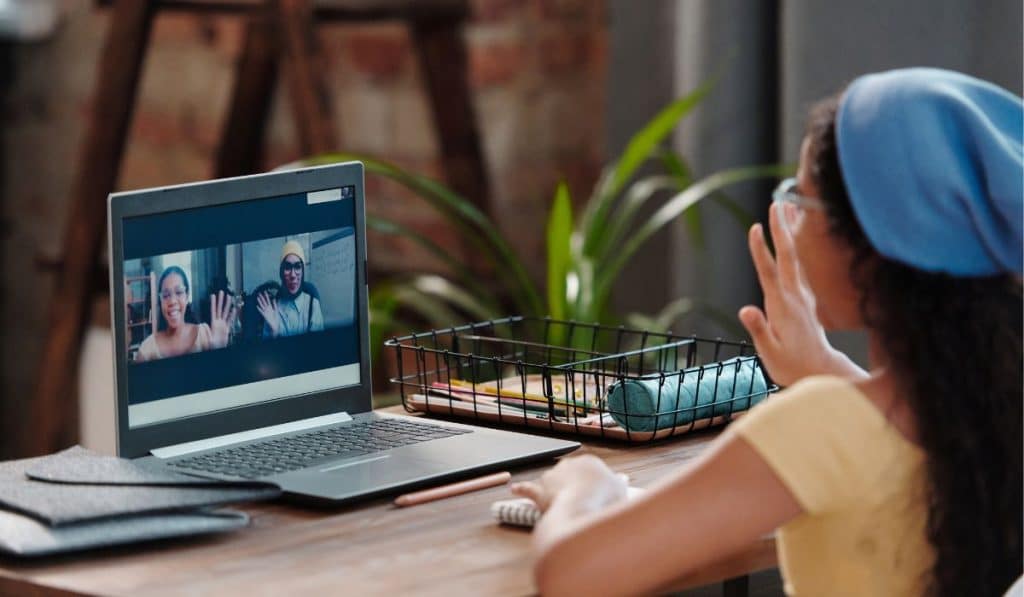
Whether you’re dealing with:
Anxiety
Major depressive disorder
ADHD
Addiction
Parenting stress
Anger management
…there is a group waiting to welcome you.
With help from licensed therapists, support from peers, and guidance from experts in psychology and psychiatry, you can feel better.
Find a skills group or support group that fits your needs. Look for options covered by your health insurance or Medicare. Use your patient portal to sign in. It’s easy, private, and made just for you.
Don’t wait. The help you need is just a few clicks away.