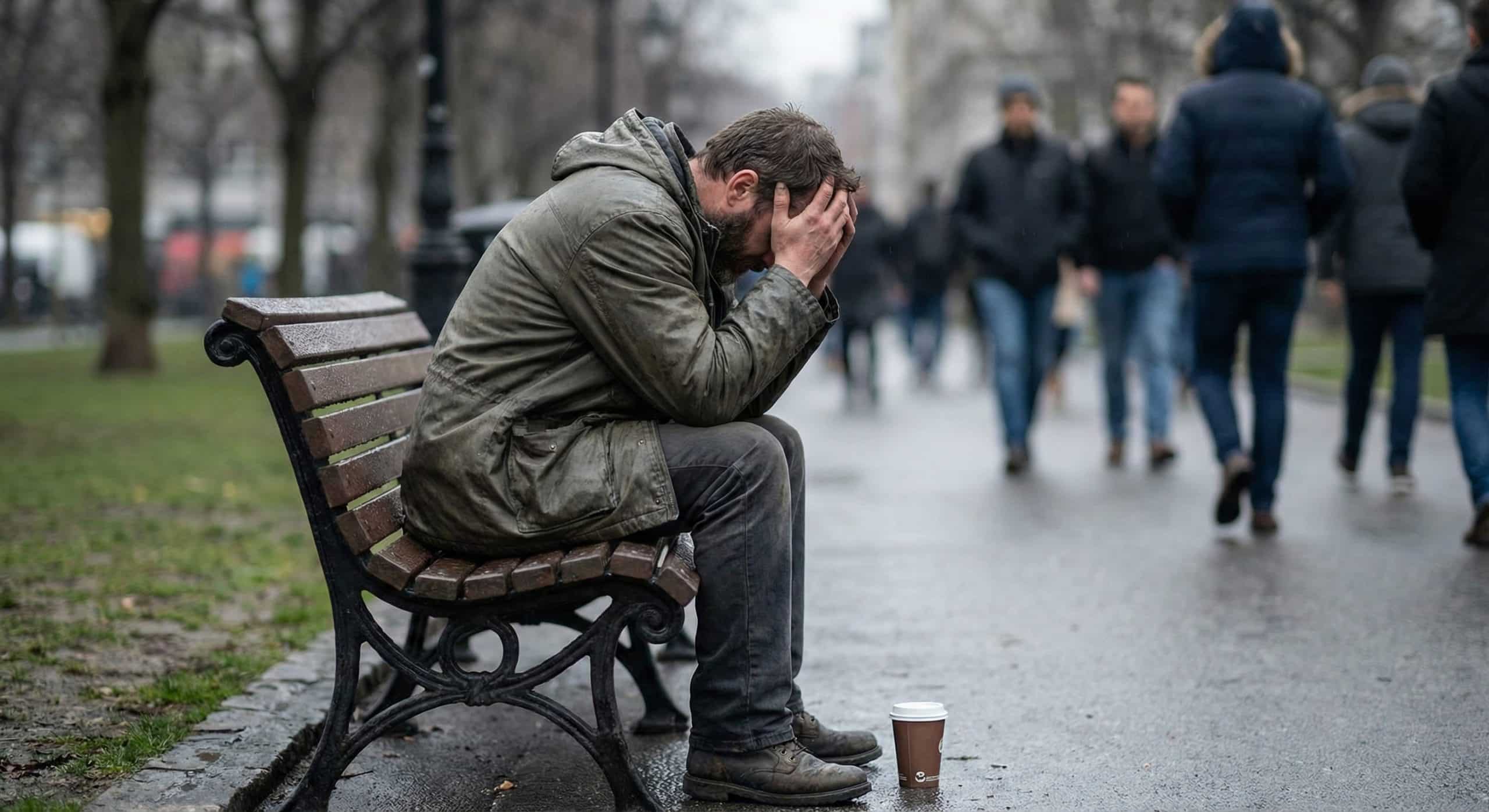


Family can bring love, support, and comfort. But sometimes, family can also bring pain, conflict, or even abuse. Deciding whether to stay close or step back is a personal choice tied to mental health, grief, and healing.
In this article, we will look at why people may cut ties with family, how it affects behavior and emotions, and what therapy can teach us about family estrangement.

Family estrangement happens when someone chooses to stop contact with family members. This can be short-term or permanent. People may stop talking, visiting, or sharing parts of their lives.
Estrangement is not always about hate. Sometimes it comes from a need for safety or peace.
There are many reasons someone may ask, “Is cutting off your family good therapy?”
If a family member is abusive—physically, verbally, or emotionally—cutting ties may protect mental health. Abuse can harm behavior, trust, and self-esteem. In these cases, stepping away is not about revenge, but about safety.
Sometimes family members show harmful patterns like control, gossip, or constant criticism. Over time, this behavior can lead to stress and anxiety. Distance may bring relief.
If family relationships add to depression, trauma, or anxiety, therapy may suggest boundaries. Cutting off family can be one form of boundary.
Sometimes, grief changes how we connect with family. After a death or a major loss, emotions run high. Arguments or misunderstandings may create distance.
Therapy is about healing and growth. Cutting off family is not a therapy by itself, but it can be part of a healing plan. A therapist may help you decide if distance is a healthy choice.
Instead of only cutting off family, therapy gives tools for coping. You can learn to set limits, manage grief, and understand emotions.
Therapy can also explore how family behavior shaped your own. By learning patterns, you can change how you react.
If estrangement brings sadness or guilt, therapy gives support. Talking with a therapist can reduce feelings of isolation.

Even if you choose to step away, grief may follow. You may miss birthdays, holidays, or family milestones. Therapy helps process this sadness.
It is normal to wonder, “Did I make the right choice?” Therapy helps you explore these feelings without judgment.
For some, cutting off family brings peace. They feel less stress, fewer arguments, and more control over their lives.
Therapists often teach how to set boundaries. This can be saying no, limiting visits, or cutting off contact when needed.
Therapy helps you look at your own behavior too. Did you respond with anger? Did you hide feelings? Learning this builds healthier habits.
If abuse played a role, therapy offers a safe place to process trauma. This can involve talking, journaling, or learning calming skills.
Therapy also encourages building new support outside family—like friends, support groups, or mentors.
While some find peace, others may face challenges:
Loneliness – Not having family nearby can feel empty.
Community Pressure – Some cultures place strong value on family. Choosing estrangement may bring judgment.
Unresolved Grief – Pain may linger if no closure is reached.
Future Regret – Sometimes people regret cutting off ties years later.
Not everyone needs to fully cut ties. Therapy may suggest other steps:
Instead of full estrangement, you may choose shorter visits, fewer calls, or only seeing family at holidays.
Telling family what behavior you will not accept can reduce conflict. For example, “I will not talk if you yell.”
Sometimes, family therapy can rebuild trust. With a therapist guiding the talk, new understanding can grow.
In some cases, the answer to “Is cutting off your family good therapy?” is closer to yes. If abuse, danger, or constant harm is present, stepping away protects your health.
No one should stay in a relationship that risks safety or mental health.
Exercise, rest, and healthy eating help reduce stress.
Making friends, joining groups, or attending support meetings can replace lost family connections.
A therapist, counselor, or mental health professional can guide healing.
Is cutting off your family good therapy? Not always. Cutting ties can bring relief from abuse or toxic behavior. But it is not therapy on its own. True healing often comes from therapy, coping tools, and support. Every situation is unique, and choices should center on safety, health, and peace.

Family estrangement is when someone chooses to cut off or reduce contact with family members. This can be temporary or permanent.
Yes, if the family is abusive or toxic, distance can protect mental health. But therapy is still important for full healing.
No. It can be part of a healing process, but real therapy includes working with a therapist, learning coping skills, and processing emotions.
If abuse, harm, or constant stress are present, cutting ties may be healthiest. Talking to a therapist can help you decide.
Yes. Some families reconnect later through therapy, boundaries, and changed behavior. But healing depends on both sides wanting to change.