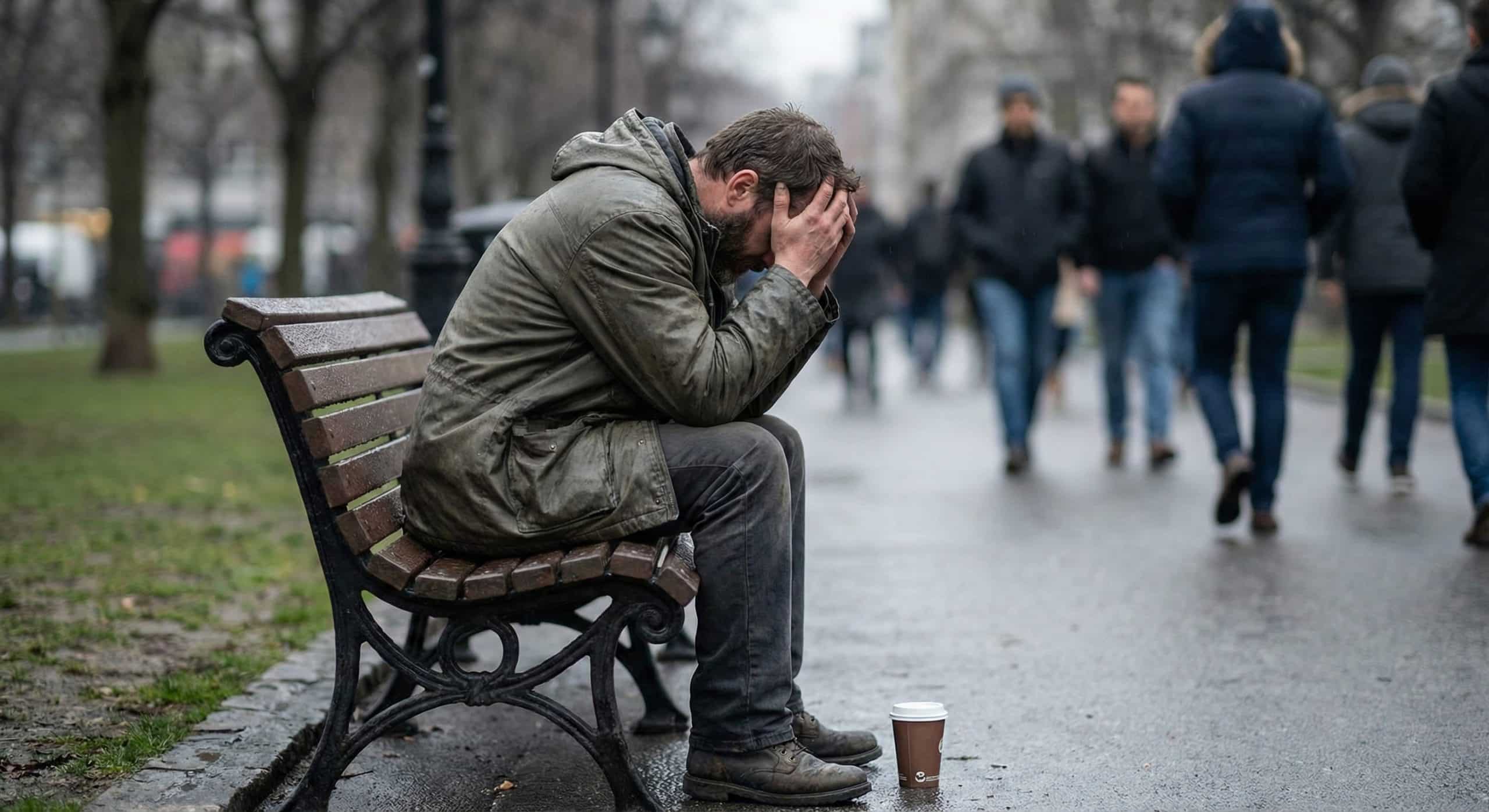

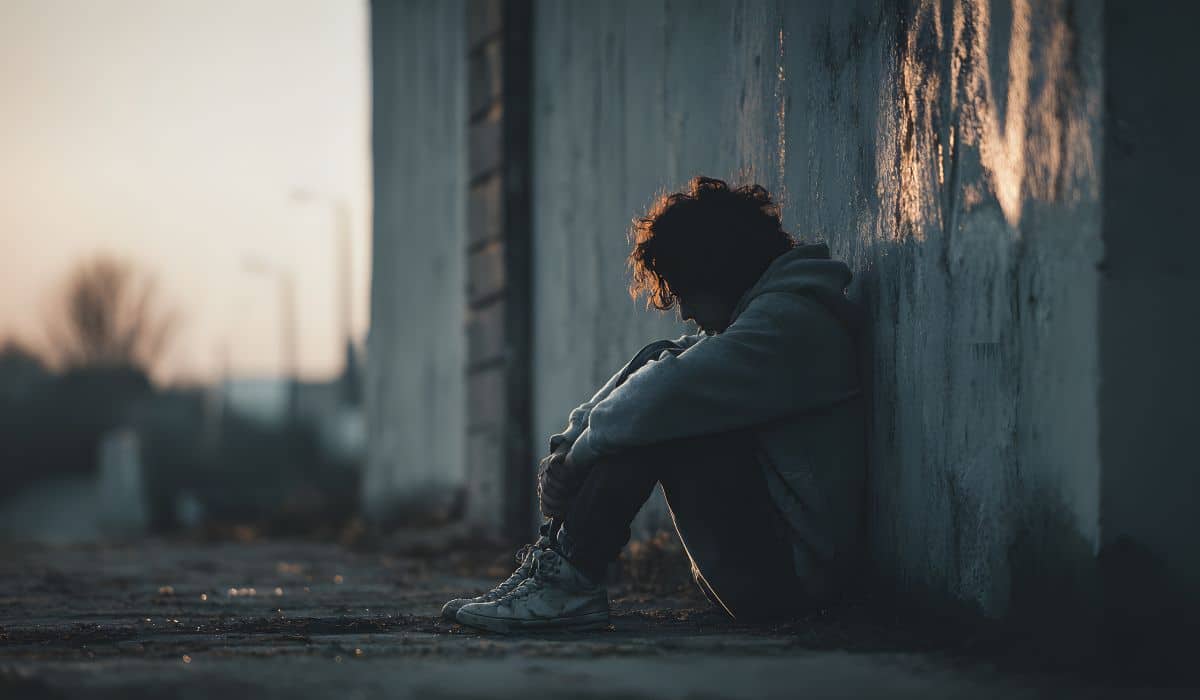
Healing from trauma is a personal journey that takes time, care, and the right support. Whether your trauma came from abuse, a disaster, an assault, or childhood experiences, it can deeply affect your mental health, behavior, and body. The good news is that healing is possible. With help from therapy, healthy habits, and support from mental health professionals, you can rebuild your strength and sense of peace.

Trauma is your mind and body’s response to something deeply upsetting or dangerous. It could come from:
Physical or sexual abuse
Verbal abuse or bullying
Substance abuse in the family
A disaster or serious injury
The death of a loved one
Experiences from war or violence (often seen in veterans)
According to the American Psychiatric Association, trauma is described in the Diagnostic and Statistical Manual of Mental Disorders (DSM-5) as an emotional response to a terrible event. This means trauma is not just about what happened, but how your brain, memory, and emotions respond afterward.
When something traumatic happens, your amygdala, the part of your brain that controls fear, goes into overdrive. It sends danger signals that can cause anxiety, panic, or even flashbacks.
The hippocampus—which helps with memory—may struggle to sort out what’s safe and what’s not. This can lead to trouble remembering details or feeling “stuck” in the past. The prefrontal cortex, which manages decision-making and focus, may also slow down, making it hard to stay calm or think clearly.
Over time, this constant stress can affect your mood, sleep, and even your health. Some people may turn to alcohol or substance abuse as a way to cope, but this only adds more pain and risk.
Everyone reacts to trauma differently, but here are some common signs:
Nightmares or flashbacks
Feeling numb or disconnected
Changes in behavior or mood
Anxiety, fear, or irritability
Trouble sleeping or eating
Avoiding people or places
Feelings of shame or guilt
If you notice these signs lasting for weeks or months, it’s important to talk with a mental health professional. They can help you understand what’s happening and guide you toward safe, healthy recovery.
Healing begins when you allow yourself to recognize your experience. It’s okay to admit that what happened was painful. Many people, especially after childhood trauma or verbal abuse, learn to hide their emotions. But ignoring pain only delays healing.
Try saying to yourself: “What I went through was real, and I deserve to heal.”
You don’t have to go through trauma recovery alone. Therapy is one of the most effective ways to heal. A mental health professional—such as a therapist or psychiatrist—can help you understand how trauma affects your mind, body, and behavior.
Trauma-focused therapy: Helps you safely process painful memories.
Cognitive-behavioral therapy (CBT): Teaches healthy thinking and coping.
Eye Movement Desensitization and Reprocessing (EMDR): Uses movement and focus to help the brain reprocess trauma.
Group therapy: Connects you with others who understand your pain.
Psychiatry may also play a role. Some people benefit from medication to help with anxiety, depression, or sleep problems while working through their trauma.
Healing isn’t just about therapy—it’s also about learning to calm your body and mind. Stress management skills help you regain control.
Breathing exercises: Deep breathing helps slow your heart rate and calm the amygdala.
Meditation: Focuses your thoughts and helps reduce fear and anxiety.
Yoga: Combines gentle movement and breathing for balance and relaxation.
Journaling: Writing helps you express your emotions safely.
Desensitization: Gradually facing triggers in a safe way with your therapist.
These coping skills strengthen your ability to handle tough moments without turning to addiction or alcohol.
Your body and brain need care to heal. Focus on healthy routines that support your mental health and overall well-being.
Sleep: Aim for 7–9 hours to help your brain rest and process memories.
Healthy diet: Eat foods rich in vitamins, proteins, and healthy fats for brain repair.
Exercise: Even a 20-minute walk or gentle yoga can lift your mood.
Hydration: Drink enough water to support body and brain function.
Avoid harmful habits like substance abuse or skipping meals—they can slow your healing and harm your health.
Healing grows stronger when shared with others. Talk to a trusted friend, parent, or support group.
For veterans, programs through the Department of Veterans Affairs (VA) offer trauma support and mental health services. Survivors of sexual abuse or assault can find help through organizations like the National Sexual Assault Hotline or local crisis centers.
If your trauma involves substance abuse, consider rehab or recovery groups like Alcoholics Anonymous (AA) or Narcotics Anonymous (NA).
Healing from trauma isn’t a race. There may be setbacks, but that doesn’t mean you’re failing. Be patient with yourself and celebrate small victories—like sleeping better, feeling calmer, or reconnecting with loved ones.
Remind yourself: “Healing takes time, but I’m moving forward.”
Some people unintentionally fall back into harmful environments or relationships. To prevent this:
Set boundaries with toxic people.
Limit media or social content that triggers you.
Recognize red flags in relationships.
Don’t rush into big life changes before you feel ready.
Your safety comes first. Healing requires peace, stability, and time.
If you’re a parent of a child who’s been through trauma, your role is crucial. Children often feel confused or blame themselves. You can help by:
Listening without judgment
Keeping routines consistent
Encouraging them to express emotions
Finding a child therapist who understands trauma
Modeling healthy coping and stress management
Supportive parenting helps a child rebuild trust and emotional safety.
Many people who experience trauma turn to alcohol or substance abuse as a way to escape pain. But this short-term relief often leads to addiction, which worsens mental and physical health.
If this sounds familiar, reach out for help. Dual-diagnosis programs—treating both trauma and addiction—offer specialized care. Recovery is always possible.
You don’t have to let trauma define you. With therapy, self-care, and the right support, you can rebuild your life. Healing means learning to feel safe again, trust your emotions, and live without constant fear.
Your experience matters. No matter what you’ve been through—childhood trauma, abuse, disaster, or loss—you can find peace and freedom.

Healing has no set timeline. Some people feel better in months, while others take years. It depends on your experience, support system, and whether you get therapy or psychiatric help.
Yes. Long-term stress and fear can affect the body, leading to headaches, stomach problems, heart disease, or sleep issues. Managing stress helps protect your health.
Trauma-focused therapy, CBT, and EMDR are highly effective. Your mental health professional can help decide what’s best for your needs.
Yes. Meditation and yoga calm the amygdala and balance your mood. They also teach you breathing and relaxation, which reduce stress and improve emotional healing.
Reach out to a therapist or psychiatrist right away. These can be signs of post-traumatic stress and need professional care. You are not alone, and treatment can help.