
Finding the right kind of therapy can be confusing. With so many options available today, one big question is: Should you choose online group therapy or in-person sessions? Both can help with mental health issues like anxiety, major depressive disorder, and bipolar disorder, but they work in different ways.
This article breaks down the differences between online and in-person group therapy, what research says, and which might be better for your needs. Let’s take a closer look.

Group therapy is a form of counseling where several people meet together with a mental health professional. Each person shares their feelings, listens to others, and learns coping tools.
According to the American Psychological Association (APA), group therapy helps people build empathy, improve communication, and develop understanding through shared experiences.
Common topics in group therapy include:
Managing stress and anxiety
Healing from major depressive disorder
Learning coping tools for bipolar disorder
Improving relationships and social skills
Processing grief, trauma, or addiction
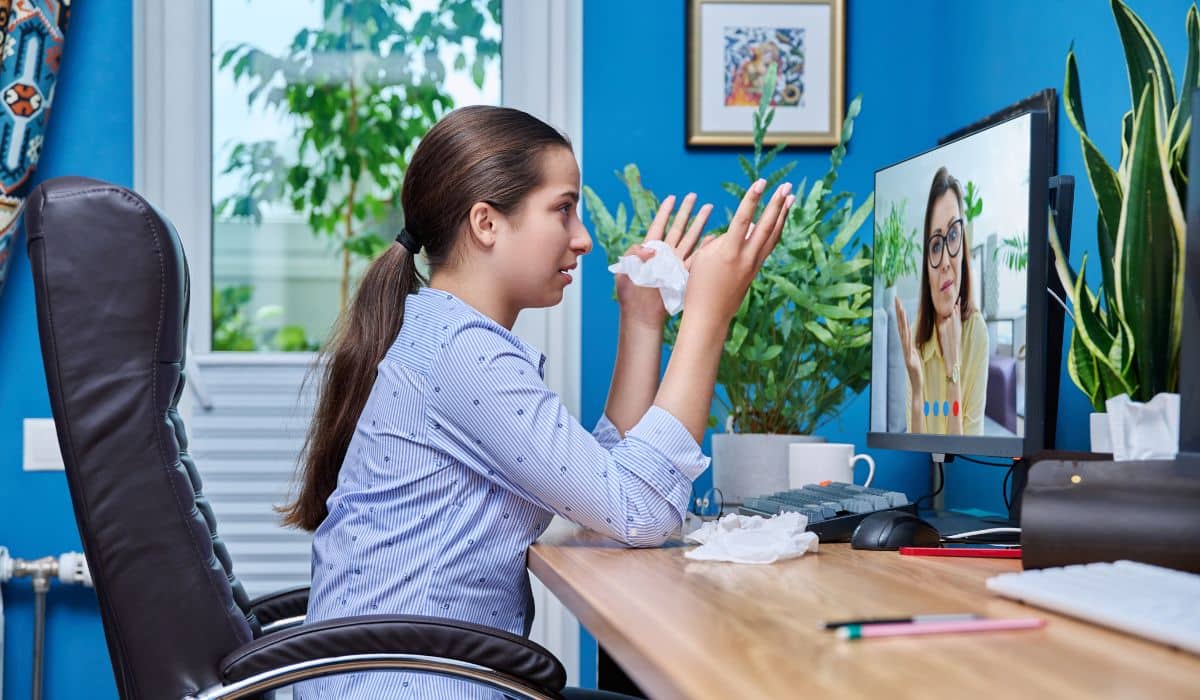
Online group therapy happens through the internet. Sessions are often done using video conferencing platforms like Zoom or secure therapy apps that meet Health Insurance Portability and Accountability Act (HIPAA) standards for confidentiality.
Participants join from their homes using a computer, tablet, or even a telephone. The therapist leads the group the same way they would in a traditional setting.
During the pandemic, online therapy became very popular. It gave people a way to continue getting help safely. Now, it remains a trusted form of mental health care and part of modern telepsychology.
In-person group therapy takes place at a clinic, hospital, or therapist’s office. Clients gather face-to-face with their therapists and peers.
This traditional format allows for real-time interaction, body language, and nonverbal communication, which help build rapport and trust within the group.
Many people still prefer this format because it feels personal and offers fewer distractions than being online.
The use of technology in mental health has changed how people receive treatment. Telepsychology, supported by organizations like the American Psychiatric Association, has made therapy more accessible to people everywhere.
As long as a person has internet access, they can join a group therapy session from home, work, or school. This has made therapy more inclusive and removed barriers like transportation or social stigma.
However, some people still face challenges with internet stability or lack of private space, which can affect their experience.
Let’s explore how both therapy options differ in several key areas.
If you’re trying to decide between online group therapy vs in person, the table below highlights the most important differences. It compares accessibility, cost, communication, confidentiality, and more to help you choose what fits your life and comfort level best.
| Aspect | Online Group Therapy | In-Person Group Therapy |
|---|---|---|
| Accessibility | Easy to access from anywhere with internet. Great for rural areas or people with mobility issues. | Requires travel to a physical location; may be harder for those in remote areas. |
| Cost & Insurance | Often covered by health insurance; no travel costs. | Covered by most insurance plans; may include transportation or parking costs. |
| Communication | Relies on video, tone, and words. Limited body language cues. | Allows full nonverbal communication and physical presence. |
| Confidentiality | Protected by HIPAA, but depends on secure tech and private spaces. | Confidential setting with professional mental health professionals. |
| Effectiveness | Studies show it can be just as effective as in-person for many mental health issues. | Long history of proven success for anxiety, depression, and bipolar disorder. |
| Therapeutic Relationship | Builds rapport through screens using empathy and attention. | Easier to form trust through face-to-face therapeutic relationships. |
| Social Comfort | Lower social stigma; more privacy and convenience. | Stronger sense of group bonding and shared energy. |
| Technology Needs | Requires stable internet and familiarity with online platforms. | No technology needed; just show up in person. |
| Engagement & Attention | Can vary depending on distractions or technology issues. | Higher focus and participation in shared physical space. |
| Environment | Flexible — attend from home or office. | Structured — professional setting encourages routine and focus. |
Online group therapy wins when it comes to accessibility. People who live in rural areas or have disabilities can attend sessions without travel.
In-person therapy might be harder to reach, especially if there are no mental health centers nearby.
Virtual sessions also allow people with busy schedules to get help more easily, even during short breaks or evenings.
Many health insurance plans now cover online therapy under the same benefits as in-person sessions. The Health Insurance Portability and Accountability Act (HIPAA) ensures both are protected for confidentiality and safety.
Online sessions may also save money since there’s no need to travel or take time off work. However, some insurance companies may still have limits, so checking your plan is important.
One challenge of online therapy is missing some nonverbal communication cues. Facial expressions, body language, and eye contact are easier to notice in person.
These small details often help therapists build stronger therapeutic relationships and show empathy.
Still, skilled online therapists learn to read tone, pauses, and expressions through the screen, maintaining a sense of connection.
Both forms of therapy must protect client confidentiality under HIPAA rules. However, online therapy depends heavily on secure technology and internet safety.
The therapist should use encrypted platforms and remind clients to join from private locations.
In-person sessions offer more control since they take place in professional offices designed for privacy.
Studies, including randomized controlled trials and systematic reviews, show that online therapy can be just as effective as in-person sessions for many mental health issues.
Clients often report the same improvements in mood, stress, and social skills. However, some people find it easier to open up face-to-face, especially if they value physical presence and shared energy.
Rapport means the sense of trust and comfort between therapist and client. In-person meetings can help this grow faster due to direct human interaction.
Online settings might take longer, but consistency and empathy help bridge that gap. Therapists trained in telepsychology use techniques like active listening and clear feedback to maintain strong therapeutic bonds.
Some people avoid therapy due to social stigma or fear of being seen entering a clinic. Online therapy offers a discreet alternative where clients can join from home.
Others, however, feel more focused in an in-person group because they separate therapy from daily distractions.
Your comfort level matters most—choose the space where you feel safe and open.
In-person therapy often keeps people more attentive since they’re in a shared space with fewer distractions.
Online sessions can make it easier to lose focus, especially if there’s background noise, poor internet connection, or multitasking.
Still, therapists use group activities and structured discussions to keep everyone involved.
Both settings aim to build a strong therapeutic relationship through empathy, trust, and understanding.
The American Psychological Association states that therapy success depends more on the quality of the relationship than the location of the session.
Whether online or in person, having a caring, skilled mental health professional can make the biggest difference.
Your personal experience matters. Some people feel more comfortable online, while others thrive in shared physical spaces.
Think about your personality, language comfort, and emotional needs. For example:
If you travel often or have mobility limits, online sessions may work best.
If you value direct communication and group energy, in-person sessions might feel more rewarding.
Research in psychology and psychiatry continues to explore how digital tools shape therapy.
A systematic review published in the Journal of Telemedicine and Telecare found that virtual group therapy leads to similar outcomes as traditional therapy in improving mood and reducing anxiety.
Another randomized controlled trial noted that online therapy improved major depressive disorder symptoms when led by trained mental health professionals using secure platforms.
Both formats have proven effective, but the best choice depends on the client’s comfort, needs, and access.
Here are a few questions to help guide your decision:
Do you have reliable internet access and a private space?
Are you comfortable using technology like video calls?
Do you prefer seeing body language and sharing space with others?
Does your insurance cover online or in-person sessions?
Which setting helps you feel more connected and supported?
Both options are valid and valuable for improving mental health and well-being.
Whether online or face-to-face, therapists play a major role in guiding clients through healing.
They follow standards set by organizations like the American Psychological Association and the American Psychiatric Association to ensure quality, confidentiality, and ethical care.
They use methods based on psychology and psychiatry, such as:
Cognitive Behavioral Therapy (CBT)
Interpersonal Therapy (IPT)
Dialectical Behavior Therapy (DBT)
Supportive counseling and psychoeducation
Both online and in-person group therapy can help you manage stress, reduce anxiety, and build coping skills.
Online therapy offers flexibility, accessibility, and privacy.
In-person therapy offers personal connection, stronger nonverbal communication, and focus.
The best choice depends on your lifestyle, comfort level, and needs. Remember—seeking help is always the most important step toward better mental health.

Yes. Research, including randomized controlled trials, shows that online group therapy can be just as effective as traditional in-person sessions for treating anxiety, depression, and other mental health issues.
Many health insurance plans now cover online counseling under the same benefits as in-person therapy. Always check with your provider to confirm.
Therapists use secure, HIPAA-compliant platforms that protect confidentiality. They also encourage clients to find quiet, private spaces for sessions.
If internet access is a problem, some therapists offer phone-based or hybrid options. You can also explore community clinics with in-person groups.
The best option depends on your comfort level, goals, and resources. Online therapy offers flexibility, while in-person therapy provides personal rapport and nonverbal communication.