
Why does the difference between PTSD and trauma matter?
Knowing the difference guides you to the right help. Trauma is the hard event and the short-term reaction. PTSD is a longer-lasting disorder that changes mood, sleep, behavior, and daily health. When we name things correctly, we pick the right treatment, lower stress, and improve healing for the patient and family.
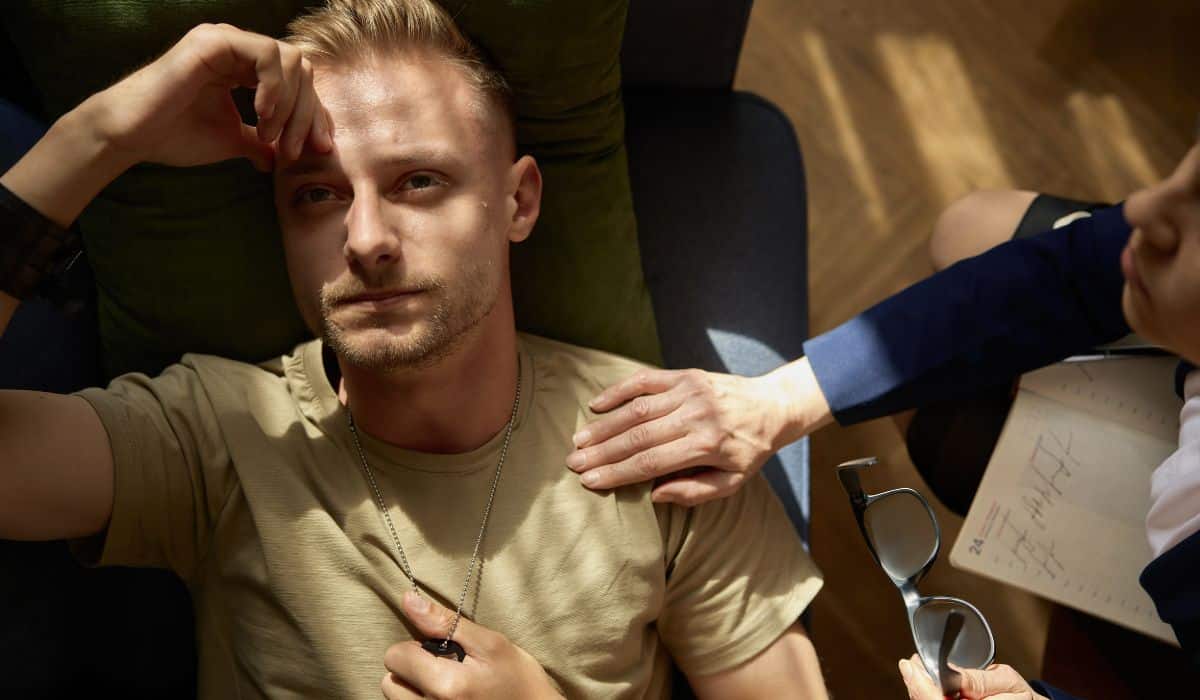
What is trauma?
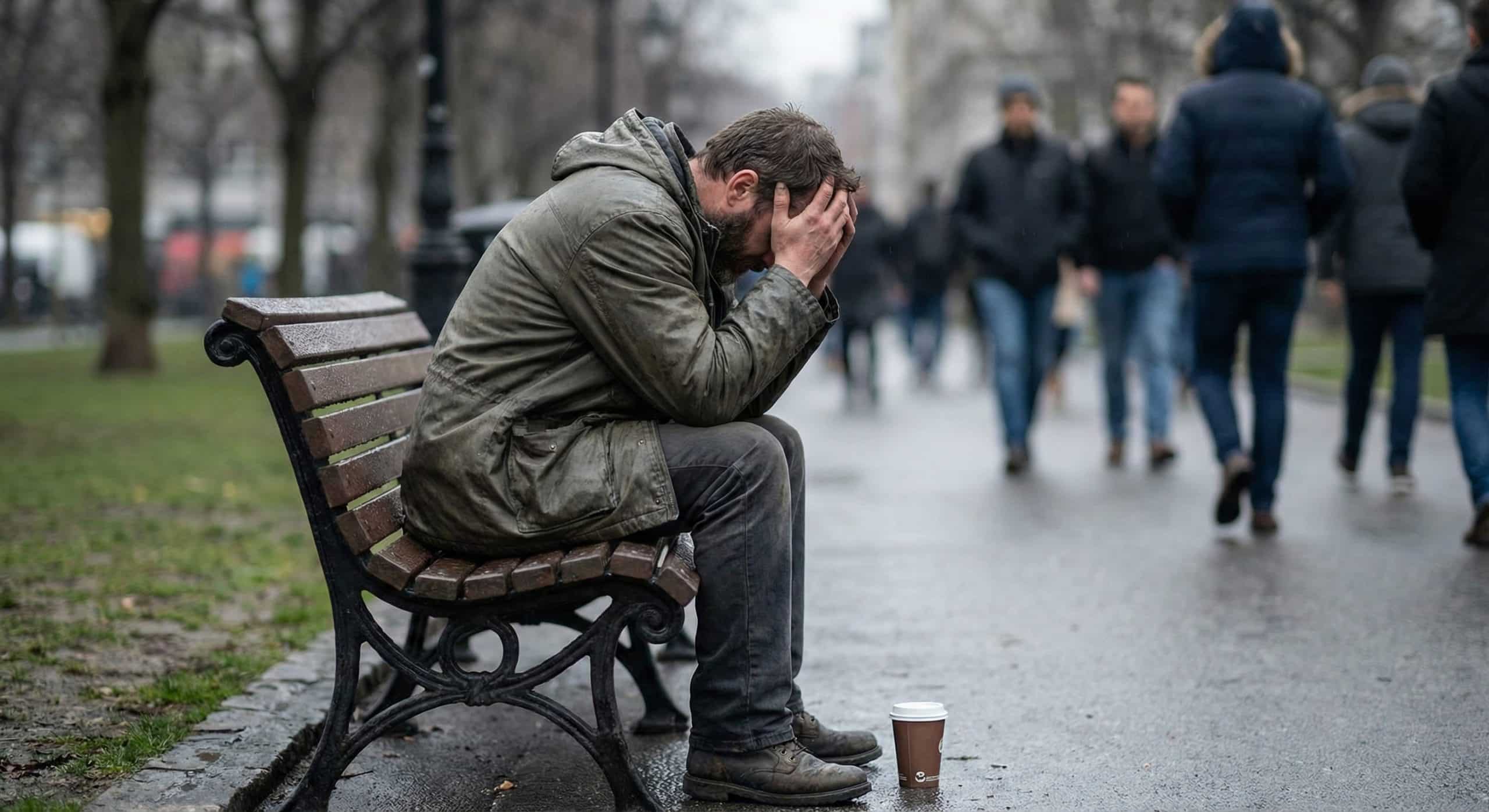
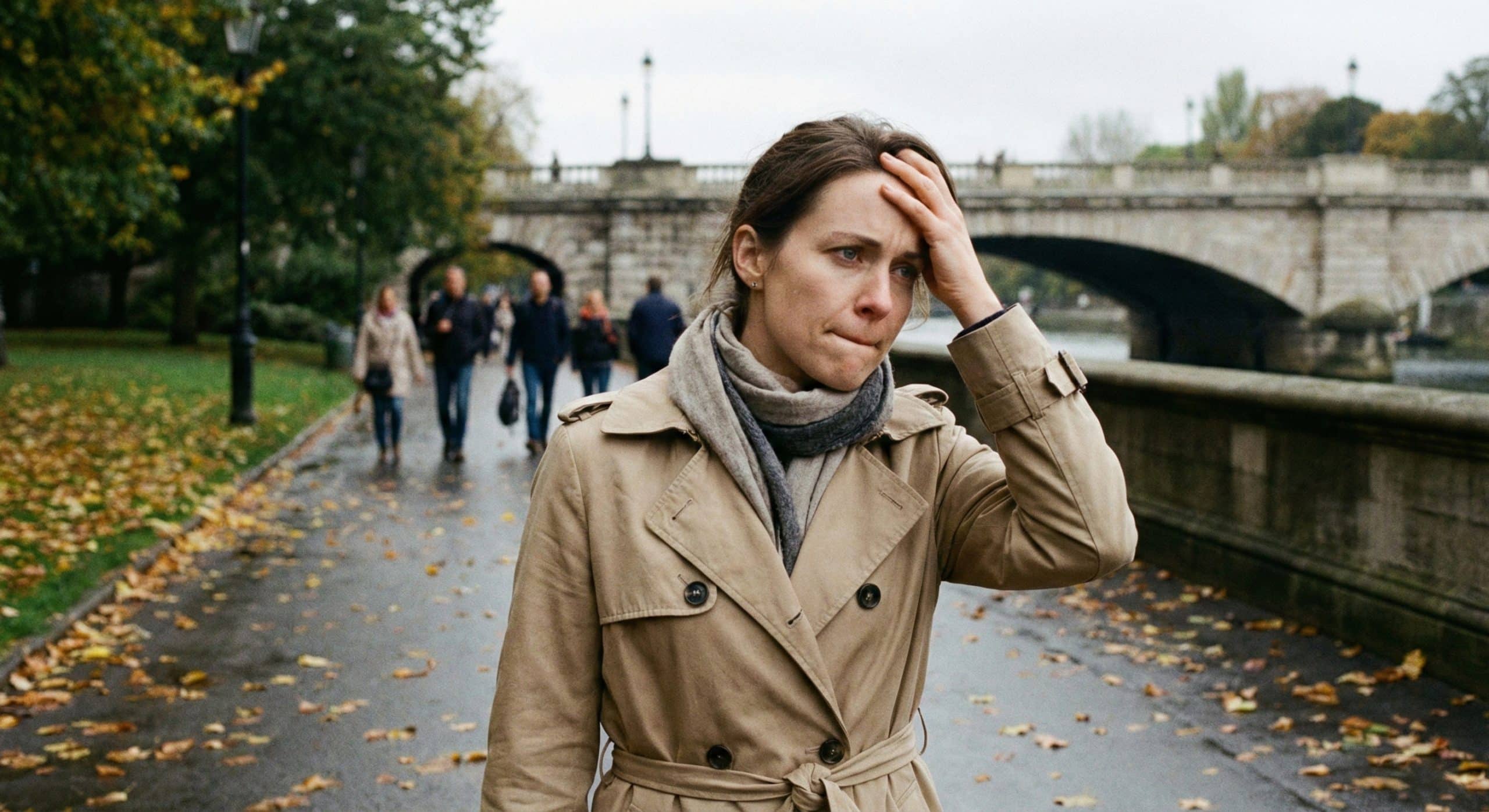
Trauma is a powerful experience that overwhelms the mind, body, and emotion. It can follow violence, accidents, disasters, physical abuse, neglect, community harm, or repeated stress seen by a first responder or veteran. After trauma, people often feel fear, shock, sadness, anger, and trouble with sleep or memory. These reactions are common. Many improve over days or weeks with support, safety, and routine care.
What is PTSD?
Posttraumatic Stress Disorder (PTSD) is a mental health disorder that can come after trauma. Not everyone with trauma gets PTSD. The Diagnostic and Statistical Manual of Mental Disorders (DSM-5) from the American Psychiatric Association explains that PTSD is diagnosed when symptoms last longer than one month, cause strong distress, and harm life at home, school, or work.
How is trauma different from PTSD?
Trauma = the event and short-term reaction.
PTSD = a longer pattern of symptoms that keep going and make daily life hard.
Think of trauma as a sudden alarm. In PTSD, the alarm system gets stuck “on.”
What are the common symptoms of PTSD?
PTSD symptoms often fall into four groups:
Re-experiencing: intrusive memory, flashbacks, or dreams that feel too real.
Avoidance: staying away from places, people, or topics that bring reminders.
Thinking and mood changes: negative cognition, guilt, numbness, strong sadness, dissociation, or loss of interest.
Arousal changes: jumpiness, high heart rate, higher blood pressure, irritability, aggression, trouble with sleep, and poor focus.
Some people also notice headaches, body pain, or fatigue.
Who is at higher risk for PTSD?
Risk rises with:
Childhood trauma like neglect or physical abuse.
Repeated exposure (military, EMS, fire, police, hospital staff).
Low support at home or in the community.
Other disorders like anxiety, depression, bipolar disorder, personality disorder (including borderline personality disorder), or schizophrenia.
Body and hormone factors that keep the stress system active.
How does trauma affect the brain and body?
Trauma can reshape the brain’s alarm network. Stress hormone pathways may surge, raising arousal and pushing up blood pressure and heart rate. The mind may scan for danger all the time. This can shift thought patterns (“I’m never safe”), increase fear, and change behavior at home and school. Good education and steady skills practice help reset this system.
How do professionals diagnose PTSD?
A licensed mental health professional or health professional meets with you to review your story, symptoms, timing, and impact. They use DSM-5 rules from the American Psychiatric Association to make or rule out the diagnosis. They may ask about sleep, mood, triggers, substance abuse, safety, and medical disease that could affect care. The goal is a clear plan that fits your life.
What treatments work best for PTSD?
Exposure therapy: You face scary memories and reminders in a safe, planned way. Over time, this builds desensitization and lowers fear. Some clinics use virtual reality to practice in a controlled setting.
Cognitive Behavioral Therapy (CBT): You learn to challenge unhelpful beliefs, improve cognition, and build strong coping and behavior routines.
Dialectical Behavior Therapy (DBT): You learn skills for emotion regulation, distress tolerance, and better relationships—useful when irritability or aggression shows up.
Medication: A doctor may add medicines for anxiety, depression, nightmares, or sleep issues. Medicine plus therapy often works well.
Care should be trauma-informed, paced, and matched to teens or adults as needed.
How can telehealth make treatment easier to start?
Telehealth brings therapy to you by secure video. It improves access, lowers travel time, and can feel safer for many. You can meet a licensed mental health professional, learn skills, do parts of exposure therapy, and review medication options from home. For busy families or rural areas, online care can be the door that opens healing.
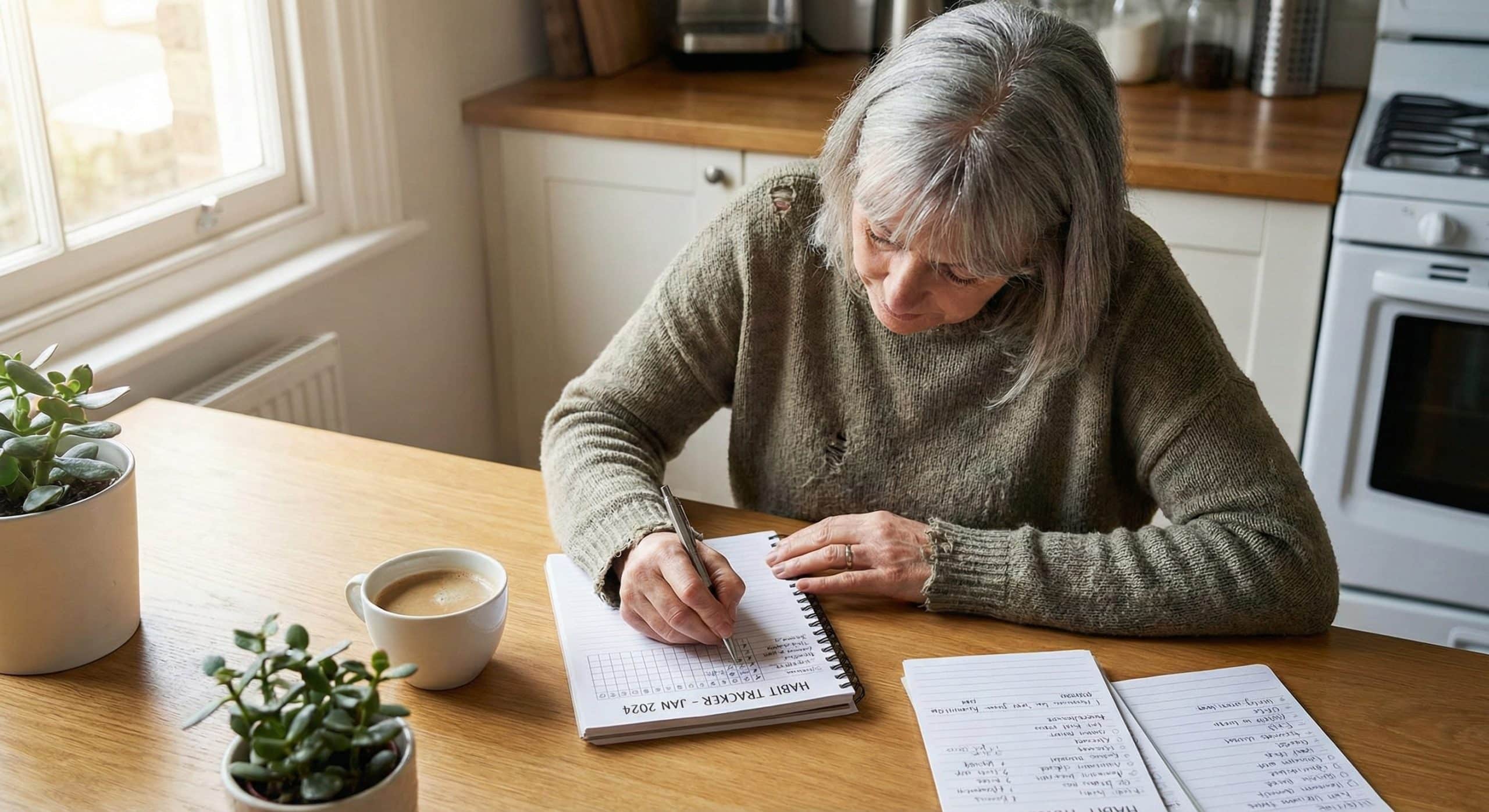
What daily coping steps help after trauma?
Sleep routine: same bedtime and wake time; fewer screens before bed.
Calm body, calm brain: slow breathing, walking, stretching.
Fuel and water: regular meals and hydration lower fatigue and pain.
Name the feeling: saying “I feel fear/anger/sadness” helps the mind handle the emotion.
Limit shortcuts: alcohol or drugs can increase addiction and worsen symptoms. Seek help early if you’re using substances to cope.
How can family and friends support someone with PTSD?
Listen and believe the person’s story.
Encourage steady treatment and therapy homework.
Keep simple routines (meals, movement, sleep).
Celebrate small wins.
Help with appointments and reminders.
Parents can model calm breathing and coping for kids and teens.
How is PTSD risk handled in the emergency department?
Right after an injury or assault, the emergency department can offer brief counseling, safety planning, and a quick mental health referral. Early support, clear education, and follow-up can reduce later risk of PTSD.
What other conditions often occur with PTSD?
PTSD often appears with anxiety, depression, bipolar disorder, personality disorder (like borderline personality disorder), schizophrenia, chronic pain, and even medical disease. A complete plan treats all conditions together. This whole-person care improves health, behavior, and daily function.
When should I reach out for immediate help?
Get help now if there are thoughts of self-harm or suicide, or if symptoms make life unsafe. In the U.S., call or text 988 for 24/7 suicide prevention and crisis support. Veterans can press 1 for the Veterans Crisis Line. If danger is immediate, call emergency services.
What does recovery look like over time?
Recovery is not a straight line. At first, you may notice better sleep or fewer nightmares. Later, reminders may spike your heart rate less. With practice, you return to school, work, or community with more confidence. Recovery means building strong skills—not erasing the past.
What are the key takeaways about PTSD vs. trauma?
Trauma is the hard event and short-term reaction.
PTSD is a longer-lasting disorder with clear symptom groups.
Effective help exists: exposure therapy, CBT, dialectical behavior therapy, and medication.
Telehealth makes starting treatment simple and private.
Early support lowers long-term risk and improves overall health.

FAQs
How can I quickly tell PTSD from trauma?
If strong symptoms (flashbacks, avoidance, negative cognition/mood, high arousal) last beyond a month and disrupt life, see a mental health professional for an evaluation.
Can teens get PTSD after childhood trauma?
Yes. Teens with childhood trauma—like neglect or physical abuse—can develop PTSD. Watch for irritability, sleep changes, pulling away from friends, or school problems. Family support and youth-focused treatment help.
Will I need therapy, medication, or both?
Many improve with therapy (CBT, exposure therapy, dialectical behavior therapy). Some also need medication for anxiety, depression, sleep, or dream issues. A health professional will guide the plan.
Is PTSD linked to substance abuse or addiction?
It can be. Some people use alcohol or drugs to numb stress or emotion, which can lead to substance abuse and addiction. Tell your clinician; there are safe, effective ways to cope without substances.
What if therapy makes me feel worse at first?
Feeling more stress at the start can happen as you face hard memories. This is part of desensitization and skill-building. Tell your therapist if it’s too intense; they can slow the pace, add grounding tools, or use supports like virtual reality exposure.