
Individual Online Therapy That Fits Your Life

Get 1-on-1 support from a licensed therapist—without commuting, waiting rooms, or long delays. Treat Me makes it simple to start individual online therapy from home, work, or anywhere you feel comfortable.
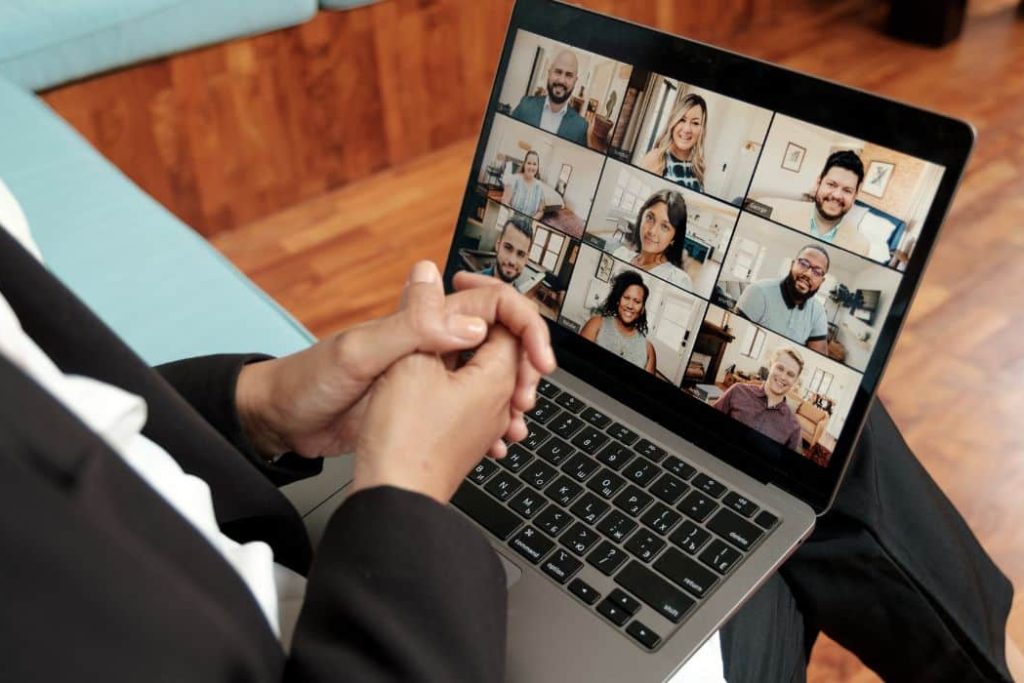
group of people having therapy online
couple having an online therapy session

What Is Individual Therapy Online?

Individual therapy online is when you talk to a licensed therapist using the internet. You don’t need to leave your house. You can speak with a mental health professional through video, phone, or even text messaging.


Many people use online therapy to get help for problems like anxiety, stress, anger management, and mood disorders. It’s a safe place to talk about how you feel and learn ways to cope.

Why People Choose Online Therapy

Easy and Accessible Help

Accessibility is one of the biggest reasons people choose online therapy. You don’t have to travel or sit in a waiting room. Whether you live in a city or a small town, you can connect with a health professional right from your phone or computer.

Private and Safe

Talking online can feel easier for some people. It’s private, and you’re in a place where you feel safe—your own home. Many clients find it easier to open their mind when they feel secure.

Save Time with Online Therapy

When you do individual therapy online, you don’t need to drive to an office. That saves time! You can use your free moments during lunch or after school to meet with your mental health professional.
  • No traffic
  • No long waits
  • Just log in and talk

More Choices in Therapists

Online therapy gives you more options. You’re not limited to just one city or clinic. You can find a licensed mental health professional who fits your needs and makes you feel comfortable.
You can choose based on:
  • Special training (like dialectical behavior therapy or exposure therapy)
  • Experience with personality disorders or mood disorders
  • Language or cultural understanding
  • Gender or age
You deserve someone who understands you. Online therapy makes that easier.
individual therapy online

What Online Therapy Can Help With

Online therapy is for many kinds of problems. Some people go for counseling once a week. Others just want someone to talk to when things feel hard.

Anxiety & Stress

Feeling nervous or worried a lot? Online therapists help people understand their anxiety and teach ways to calm down and relax. They can also help with panic attacks and stress.
 

Depression & Mood Disorders

If you feel sad or tired all the time, you may have a mood disorder. A mental health professional can help you manage these feelings and improve your mental health.

Anger & Behavior Issues

Anger management is another reason people try therapy. You can learn to control your anger, think before you act, and work on better communication and behavior.

Personality Disorders

If you have a personality disorder like borderline personality disorder, therapy can help you understand your feelings and improve your relationships. Therapists use special methods like dialectical behavior therapy to help.

Couples & Relationships

Even though this page is about individual help, many people in couples therapy also do one-on-one sessions. It helps each person feel heard and work on personal challenges.

Types of Online Therapy

Different people need different kinds of help. Here are a few types of online therapy you might try.

Talk Therapy

Also known as counseling, talk therapy is when you speak with a therapist about your thoughts and feelings. You may talk about your past, your goals, or your worries.

Dialectical Behavior Therapy (DBT)

This type of therapy helps with big emotions and borderline personality disorder. You learn ways to control your feelings, build coping skills, and practice compassion toward yourself.

Exposure Therapy

This kind of therapy is used when you’re scared of something—like crowds or driving. You face your fears little by little with the help of a therapist. It’s often used for anxiety or trauma.

Psychiatry and Medication

Some people need more than just talk. Online psychiatric care includes doctors who can give medication if needed. They help with medication management and check how you’re doing.

Who Are Online Therapists?

Online therapists are trained health care experts. They can be counselors, psychiatric doctors, or psychologists. All of them are there to help clients feel better and build a strong path to healing.

What a Therapy Session Looks Like

Before Your Session

You choose your provider, pick a time, and get a link to join your session. You’ll usually meet over video, but some platforms let you use text messaging too.

During Your Session

You and your therapist talk about how you’ve been feeling. They listen, ask questions, and give feedback. They may teach you ways to relax, change your thinking, or set small goals.

After Your Session

You may get tools to use at home, like breathing exercises, journaling, or exercise tips. Therapy doesn’t stop when the call ends—your healing continues between sessions.

Benefits of Online Individual Therapy

  • Comfort – Stay in your home where you feel safe

  • Flexibility – Pick times that fit your schedule

  • Choice – Find a therapist that fits your needs

  • Mental Health Support – Feel less alone

  • Cost-Effective – Sometimes cheaper than in-person visits

Who Should Try Online Therapy?

Online therapy is good for anyone who wants help with their mental health. It’s great for:

  • Kids and teens

  • Busy parents

  • People who can’t leave home

  • Adults dealing with stress, sadness, or anger

  • Those managing a mood or personality disorder

If you’re looking to grow, heal, or just need someone to talk to, individual online therapy may be a great next step.

What Makes a Good Therapist?

A great therapist shows empathy, kindness, and understanding. They help you feel safe and not judged. A good therapist will:

  • Listen carefully

  • Ask helpful questions

  • Give honest feedback

  • Help you build tools to feel better

  • Celebrate your wins, big or small

Building a Path Toward Better Mental Health

Individual therapy online can be the start of a better life. You’ll learn new ways to think, feel, and act. With support from a caring mental health professional, you’ll build a stronger mind and healthier relationships.


Remember, your journey is yours. It’s okay to take small steps. It’s okay to ask for help. And with the right help, you’ll move forward on your path.
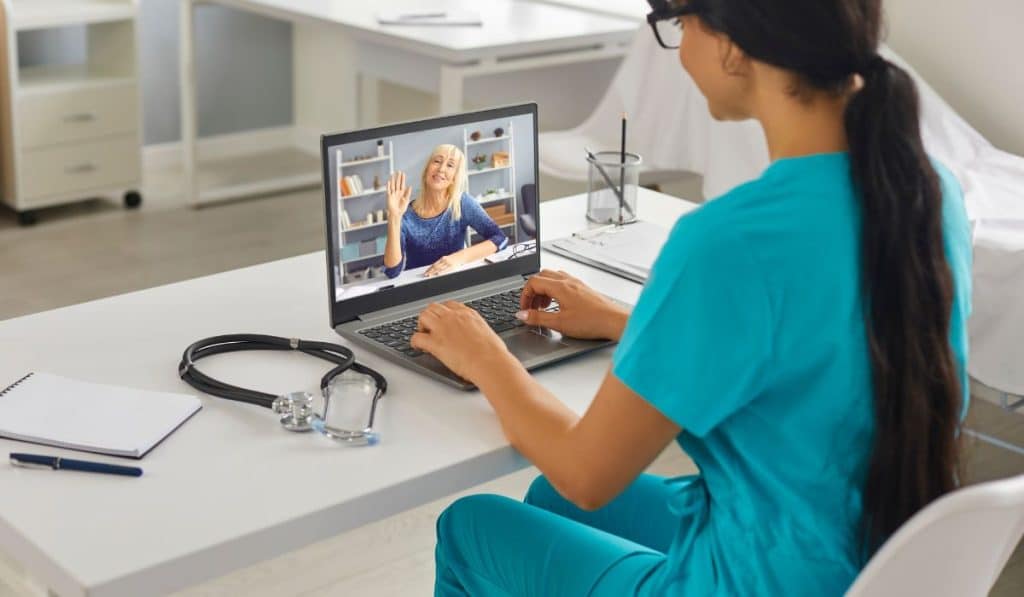

woman having online therapy session

Frequently Asked Questions About Individual Online Therapy

Individual online therapy is 1-on-1 counseling with a licensed therapist using secure video, phone, or messaging (depending on the provider). It helps you work on things like stress, anxiety, depression, grief, trauma, and life changes—from home or anywhere private.
For many people, online therapy can be just as helpful as in-person therapy—especially for common concerns like anxiety and depression. What matters most is having a good therapist match, showing up regularly, and practicing skills between sessions.
Most people start by sharing what they want help with and any preferences (like therapist gender, specialties, or availability). Then you’re matched with a therapist, pick a time, and meet online for your first session to set goals and a plan.
Cost can depend on your location, therapist credentials, session length, and whether you use insurance or self-pay. A good provider will confirm your pricing and payment options before you book so you know what to expect.
Sometimes, yes—many plans cover telehealth therapy, but coverage depends on your specific plan and the therapist’s network status. If you want to use insurance, ask about eligibility, copays, and any limits (like number of sessions).
A licensed therapist should be able to share their license type, license number, and the state(s) they’re licensed in. You can also ask about their experience with your concerns and what therapy approaches they use (like CBT or DBT-informed care).
Individual online therapy can help with anxiety, depression, stress, panic, burnout, grief, relationship challenges, trauma, self-esteem, and coping skills. It can also support you during big life changes like moving, divorce, job loss, or becoming a parent.
Yes—therapy is confidential, and reputable providers use secure systems designed to protect your information. You can also improve privacy by using headphones, choosing a quiet space, and avoiding public Wi-Fi when possible.
Many people start weekly, then shift to every other week as they feel steadier and build skills. The right schedule depends on your goals, symptoms, and budget—your therapist can help you choose a pace that makes progress realistic.
Online therapy is not the best fit for immediate emergencies. If you feel unsafe or are thinking about self-harm, call 988 (Suicide & Crisis Lifeline) in the U.S., call 911, or go to the nearest emergency room right away.