What Is a “Mental Breakdown”?
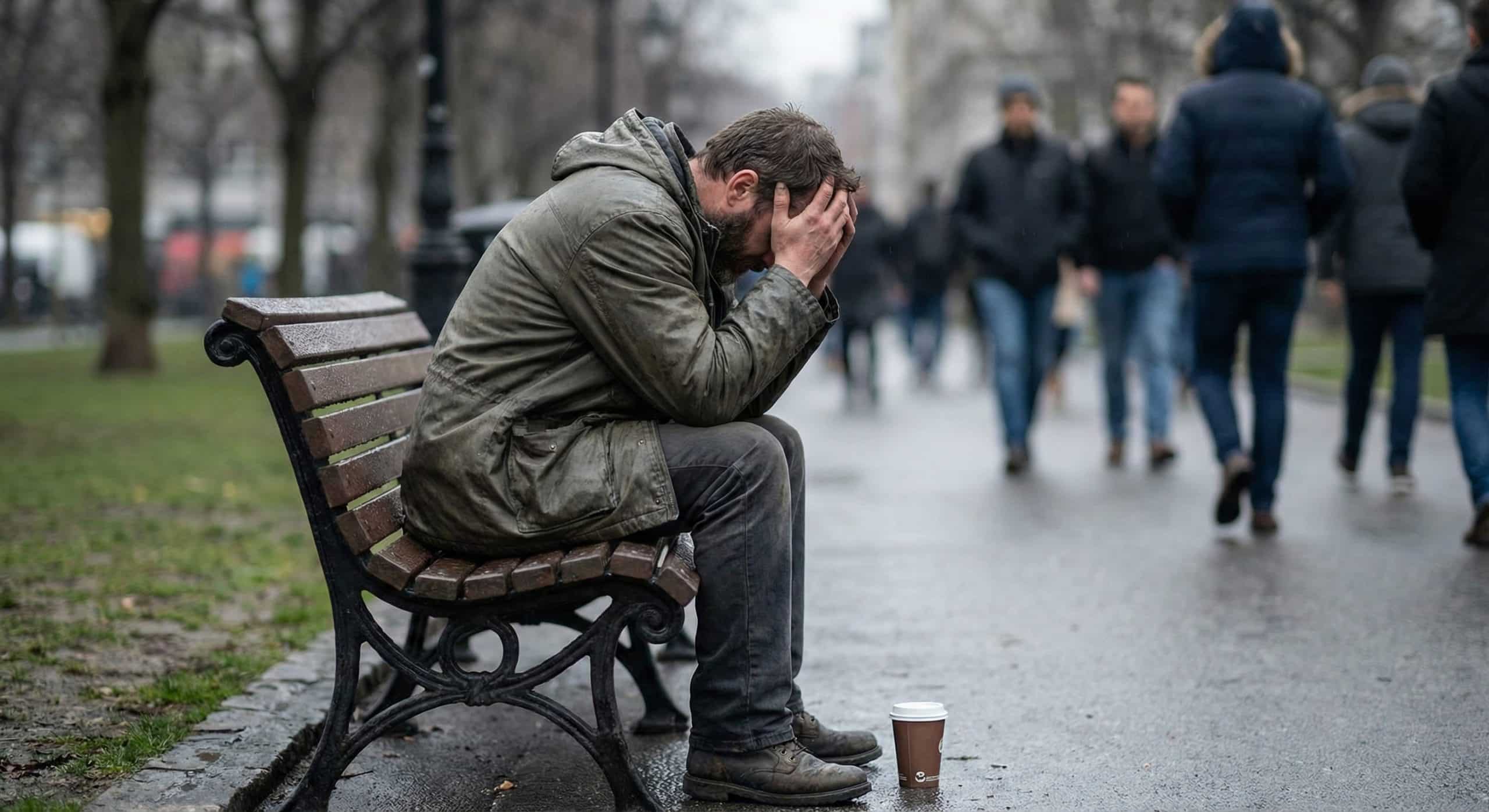
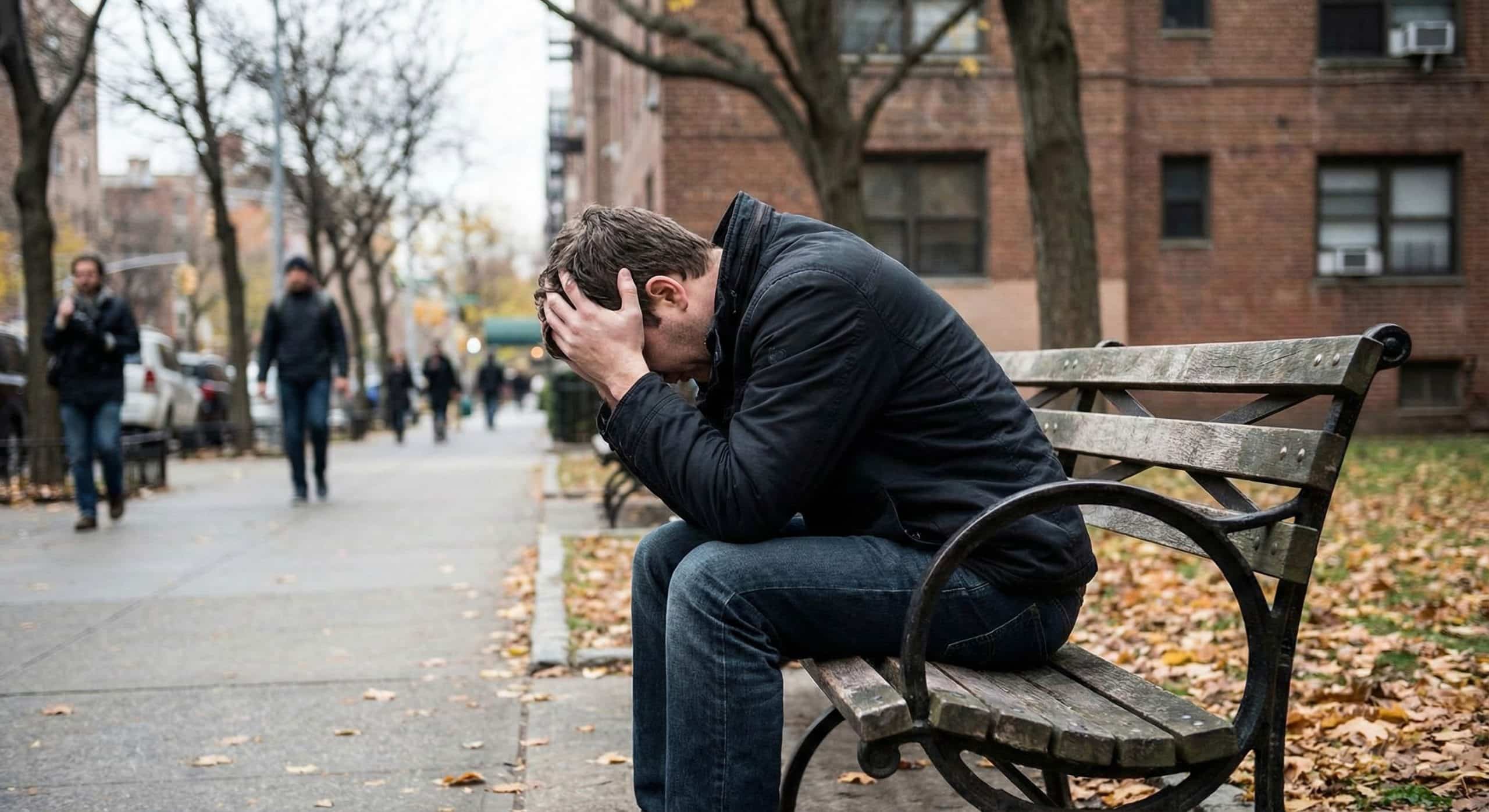
A “mental breakdown” is not a medical name. But people use this phrase when their mind and body feel like they cannot handle life anymore. It can feel like you are overwhelmed, scared, and stuck. This can happen from stress, chronic stress, psychological stress, or a mix of hard events.
A mental breakdown can look different for each person. Some people feel deep anxiety and fear. Others feel heavy depression or a big shift in mood. Some people notice changes in behavior, sleep, and appetite. Many people feel mental distress or mental distress that keeps growing.
The good news: there are early signs. And getting help early can lead to real recovery.

What Is the First Stage of a Mental Breakdown?
The first stage of a mental breakdown is often the early warning stage. This is when your body and brain are under too much pressure, and your normal ways of coping stop working.
In this first stage, you may still go to work, school, or take care of your family. But inside, you feel “not like yourself.” You may feel constant worry, low energy, and trouble thinking clearly. You might say things like:
-
“I’m not okay, but I can’t explain why.”
-
“I feel on edge all day.”
-
“I can’t relax, even when nothing is happening.”
This early stage can build slowly from chronic stress. Or it can start fast after a major event. Either way, your brain is sending warning signs.
Why the First Stage Happens
When stress stays high for too long, your body releases a stress hormone called cortisol. Cortisol is helpful in small amounts. It gives you energy and focus in an emergency. But too much cortisol for too long can make you feel worn out and scared.
This can affect your:
-
sleep (trouble falling asleep, waking up a lot, or insomnia)
-
memory (forgetting things more often)
-
emotion (crying easily, feeling numb, or snapping fast)
-
heart rate (beating fast)
-
blood pressure (can rise with ongoing stress)
-
breathing (tight chest or shortness of breath)
You may start feeling like your body is always in “alarm mode,” even when you want to rest.
Early Emotional Signs in the First Stage
In the early stage, your feelings may shift in ways that confuse you. You might feel:
-
More anxiety and worry
-
Sudden panic or strong fear
-
A shorter fuse and more irritability
-
More anger, even over small things
-
Feeling down, empty, or hopeless (common with depression)
-
Feeling like you can’t enjoy anything
Some people may also have suicidal ideation, which means thoughts about death or not wanting to be here. If this happens, it is a serious warning sign and you deserve help right away.
If you or someone you love is in danger or might act on suicidal thoughts, call 988 in the U.S. for the Suicide & Crisis Lifeline, or call 911 for immediate help.
Early Body Signs: When Stress Shows Up Physically
A mental breakdown is not only “in your head.” The first stage often shows up in your body.
Common early body signs include:
-
fatigue (feeling tired even after rest)
-
Headaches, stomach problems, or body pain
-
Tight chest, fast breathing, or shortness of breath
-
Racing heart rate
-
Feeling shaky or sweaty (common during panic)
-
Changes in appetite (eating too much or too little)
Some people also notice higher blood pressure when stress is ongoing. Stress can also make you feel like you are “under pressure” all the time.
Sleep Problems: A Big First-Stage Warning Sign
One of the clearest first-stage signs is trouble sleeping. Your brain may not “shut off.” You might:
-
Toss and turn
-
Wake up too early
-
Have nightmares
-
Feel wired at bedtime
-
Have insomnia that lasts days or weeks
Poor sleep makes everything worse. It can increase anxiety, lower your patience, and weaken coping skills. It can also increase emotional swings and make your mood harder to manage.
Early Thinking Signs: Your Mind Feels Foggy
In the first stage, you might notice thinking changes like:
-
Poor focus
-
Slow thinking
-
More mistakes
-
Forgetting names, dates, or tasks (memory changes)
-
Feeling “spacey” or numb
You may feel like your brain is overloaded. This can be scary, but it is common when your nervous system is stressed.
Changes in Behavior and Daily Habits
Early breakdown signs often show up in day-to-day behavior:
-
Pulling away from friends or family
-
Skipping school or work more often
-
Trouble keeping up with chores
-
More arguing or shutting down during conflict
-
Not caring about things that used to matter
People may also stop basic self-care, like hygiene. They may shower less, stop brushing teeth, or stop cleaning their space. That is often a sign they are overwhelmed, not lazy.
Panic Attacks and Panic Disorder: What to Watch For
Some people in the first stage have a panic attack. A panic attack can feel like danger is happening right now. Signs can include:
-
Fast heart rate
-
Chest tightness
-
shortness of breath
-
Shaking, sweating
-
Feeling dizzy
-
Feeling like you might pass out
-
A strong wave of fear
If panic attacks happen again and again, a person may develop panic disorder. This can lead to avoiding places or situations, which can shrink life and increase stress.
How Depression and Mood Disorders Can Be Part of the First Stage
The first stage can include depression symptoms, such as:
-
Sadness most days
-
No energy
-
Feeling worthless
-
Not enjoying things
-
Sleep and appetite changes
For some people, the early stage is linked to a mood disorder, like bipolar disorder. Bipolar disorder can include times of depression and times of high energy or impulsive behavior. If you notice big mood swings, risky choices, or very little sleep with high energy, a mental health professional can help with a proper check.
Other serious mental health conditions, like schizophrenia, can also involve changes in thoughts and behavior. If someone hears or sees things others don’t, feels extremely confused, or seems very disconnected from reality, that is a reason to seek urgent help from a health professional.
Substance Use: Alcohol, Addiction, and Risk
In the first stage, some people try to cope by using substances. This can include:
-
More alcohol
-
Misusing prescriptions
-
Using drugs to escape stress or pain
This can raise risk fast. Substance abuse can make anxiety and depression worse, increase insomnia, and harm relationships. Over time, it can lead to addiction.
If substance use is growing, it is not a moral failure. It is a health issue. A health professional can help you find safe support and a treatment plan.
What to Do in the First Stage: Simple Steps That Help
If you think you are in the first stage, you do not have to wait until things get worse. Small steps can lower stress and protect your health.
Start With Basic Body Care
These steps support your brain and nervous system:
-
Keep a steady sleep schedule
-
Eat regular meals to support appetite and energy
-
Drink water
-
Move your body (walks count)
-
Limit alcohol and drugs
-
Practice good hygiene (small steps are still wins)
Try Coping Tools That Calm the Nervous System
Helpful coping tools include:
-
Slow breathing to lower heart rate
-
relaxation exercises (like body scans)
-
meditation (even 3–5 minutes)
-
Gentle stretching
-
Quiet time away from screens
These tools can lower the “alarm” feeling in your body and reduce stress reactions.
Adjust Your Lifestyle to Lower Stress
A few lifestyle changes can reduce pressure:
-
Say “no” to extra tasks when possible
-
Take short breaks during the day
-
Spend time with safe people
-
Reduce caffeine if it worsens anxiety or panic
-
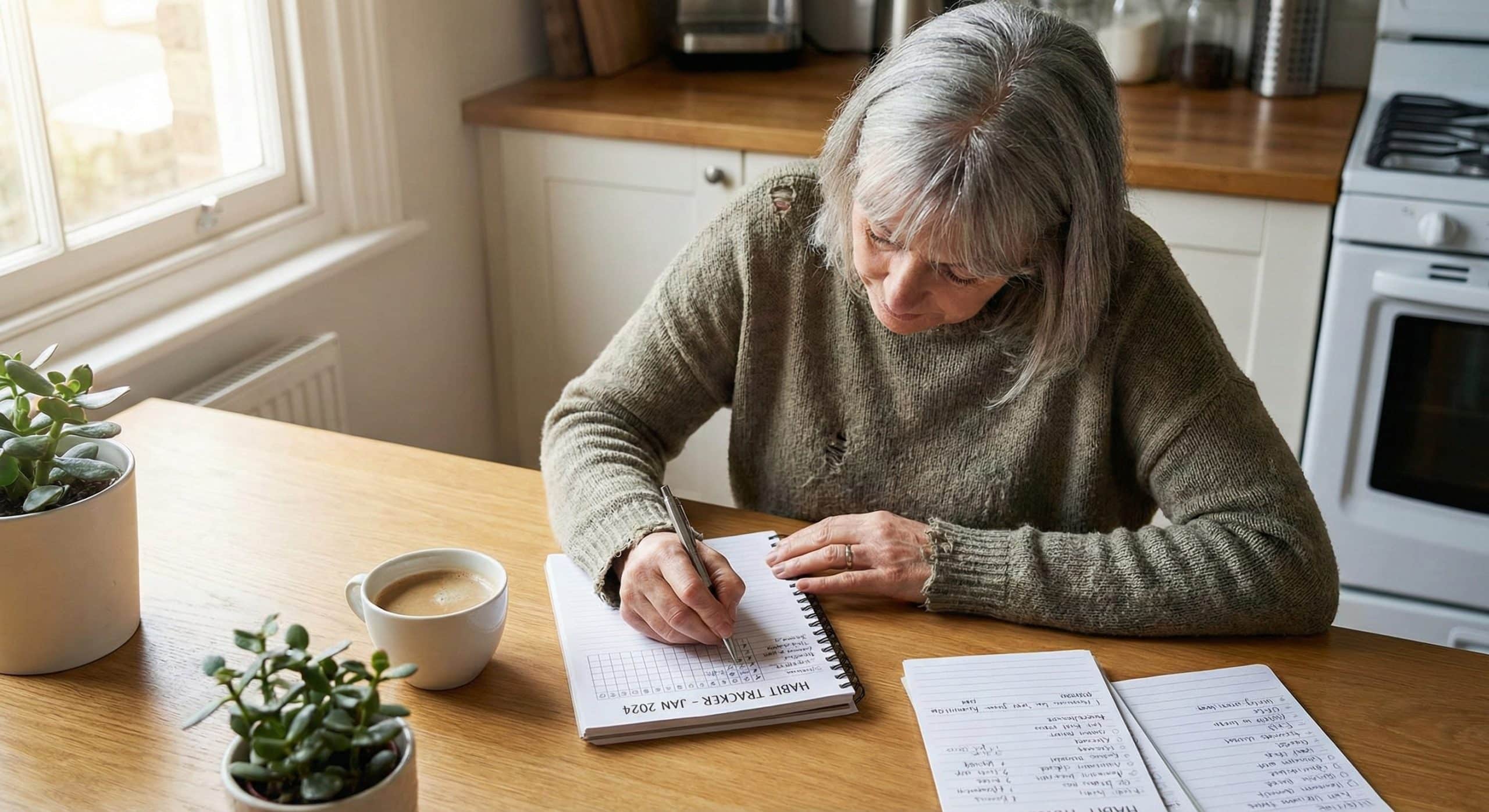
Write down worries to get them out of your head
This kind of lifestyle support won’t solve everything, but it can help you feel steadier.
When to Get Therapy and Mental Health Treatment
If early signs keep growing, it is time to reach out for help. Therapy can help you understand what is happening, build coping skills, and feel safer in your emotions.
A mental health professional (like a therapist, counselor, psychologist, or psychiatrist) can:
-
Check your symptoms
-
Help you name your stress and triggers
-
Teach coping tools for panic and anxiety
-
Support you through depression and mood changes
-
Create a plan for recovery
At Treat Me, you can connect with a caring mental health team that focuses on real-life support and clear next steps.
Medication: When It May Be Part of Treatment
Sometimes medication is helpful, especially when symptoms are strong, long-lasting, or getting worse. Medication can support the brain while you build new coping skills in therapy.
A trained health professional can talk with you about:
-
The benefits and side effects
-
Safe options for anxiety, depression, and mood disorders
-
How medication works with therapy
Medication is not a “quick fix,” but it can be an important part of mental health treatment for some people.
Warning Signs That Need Urgent Help
The first stage can turn into a crisis if it grows. Get urgent help if you notice:
-
suicidal ideation (especially with a plan or intent)
-
Panic attacks that feel uncontrollable
-
Severe insomnia for many nights in a row
-
Using alcohol or drugs more often to cope
-
Feeling confused, unsafe, or out of control
-
Big behavior changes that scare you or others
If you are in immediate danger, call 988 in the U.S. or call 911.
Recovery Is Possible
A mental breakdown can feel scary, but it can also be a turning point. With the right support, people recover and feel steady again. Recovery often includes:
-
Better sleep and energy
-
Less panic and fear
-
Stronger coping skills
-
Improved relationships
-
A clearer mind and better memory
-
A treatment plan that fits your life
You do not have to handle this alone. Early support can make a big difference.

FAQs
What is the first stage of a mental breakdown?
The first stage is usually an early warning stage. You may feel overwhelmed by stress, notice anxiety, sleep problems, irritability, and body signs like fatigue or a fast heart rate.
Can chronic stress cause a mental breakdown?
Yes. Chronic stress and psychological stress can keep cortisol high, raising pressure on the brain and body. Over time, coping skills can stop working well, and mental distress can grow.
Is a panic attack a sign of a mental breakdown?
It can be. A panic attack can happen when stress is high. If panic attacks repeat, it may point to panic disorder or ongoing anxiety that needs support from a mental health professional.
Should I try therapy or medication first?
Many people start with therapy, and some also need medication. A health professional can help you decide based on symptoms, risk level, and how much your daily life is affected.
How do I know if I need mental health treatment right now?
If you have suicidal ideation, severe insomnia, rising substance abuse, intense panic, or you cannot function day to day, seek mental health treatment right away. Support can help you stabilize and start recovery.