Starting online therapy can feel scary at first. You might wonder what to say, how it works, or if it will help. The good news is that online therapy is simple to begin, and you can do it from home. Many people start with individual online therapy because it is private, flexible, and built around your needs. If you are ready for support, you can learn the steps below and feel more confident about starting today.

Online therapy is when you meet with a licensed therapist using video calls, phone calls, or secure messaging. It is still real therapy. You still talk about your feelings, thoughts, and daily life. The difference is that you do it through a computer, tablet, or phone.
Some people feel safer talking from home. You can sit on your couch, hold a warm drink, and speak in a space you know. This can help you open up and share more.
Online therapy can support people dealing with:
Stress from school, work, or family
Anxiety and worry
Sadness, grief, or depression
Low self-esteem
Relationship problems
Life changes and big decisions
You do not need to be in a crisis to start therapy. Many people begin because they want to feel better and learn new skills.
If you keep repeating the same problems and nothing changes, therapy can help you find a new path.
If your emotions feel heavy, confusing, or hard to control, a therapist can teach you tools to handle them.
If you struggle with sleep, focus, motivation, or energy, it may be time to get support.
Before you start, ask yourself one simple question: “What do I want help with?”
Your goal can be small or big. Here are examples:
“I want to manage anxiety.”
“I want to stop overthinking.”
“I want better coping skills for stress.”
“I want to heal from a past event.”
“I want to feel less alone.”
If you are unsure, that is normal. A therapist can help you figure out your goals during the first sessions.
Different therapy styles can help in different ways. You do not need to be an expert. Just learn the basics.
CBT helps you notice unhelpful thoughts and change them. It is often used for anxiety, depression, and stress.
DBT teaches skills for emotion control, healthy communication, and handling intense feelings.
This type of therapy supports people who have been through scary or painful events. It focuses on safety and healing.
Sometimes you just need a safe place to talk. Supportive therapy helps you feel heard and understood.
A strong therapist relationship matters. You want someone trained, licensed, and kind.
When you start online therapy, it helps to find a therapist who fits your needs, such as:
Experience with anxiety, depression, or trauma
A style that matches you (more direct or more gentle)
Scheduling options that work for you
Treat Me focuses on helping people get support in a simple, caring way. You can start online therapy with a therapist who is trained to guide you through the process step by step.
Money questions can be stressful, so it helps to look at costs early.
Do you have insurance coverage for therapy?
Do you have a deductible or copay?
Do you prefer self-pay for privacy or simplicity?
You are not alone. Many people worry about this. You can ask about payment options and ways to make therapy more affordable.
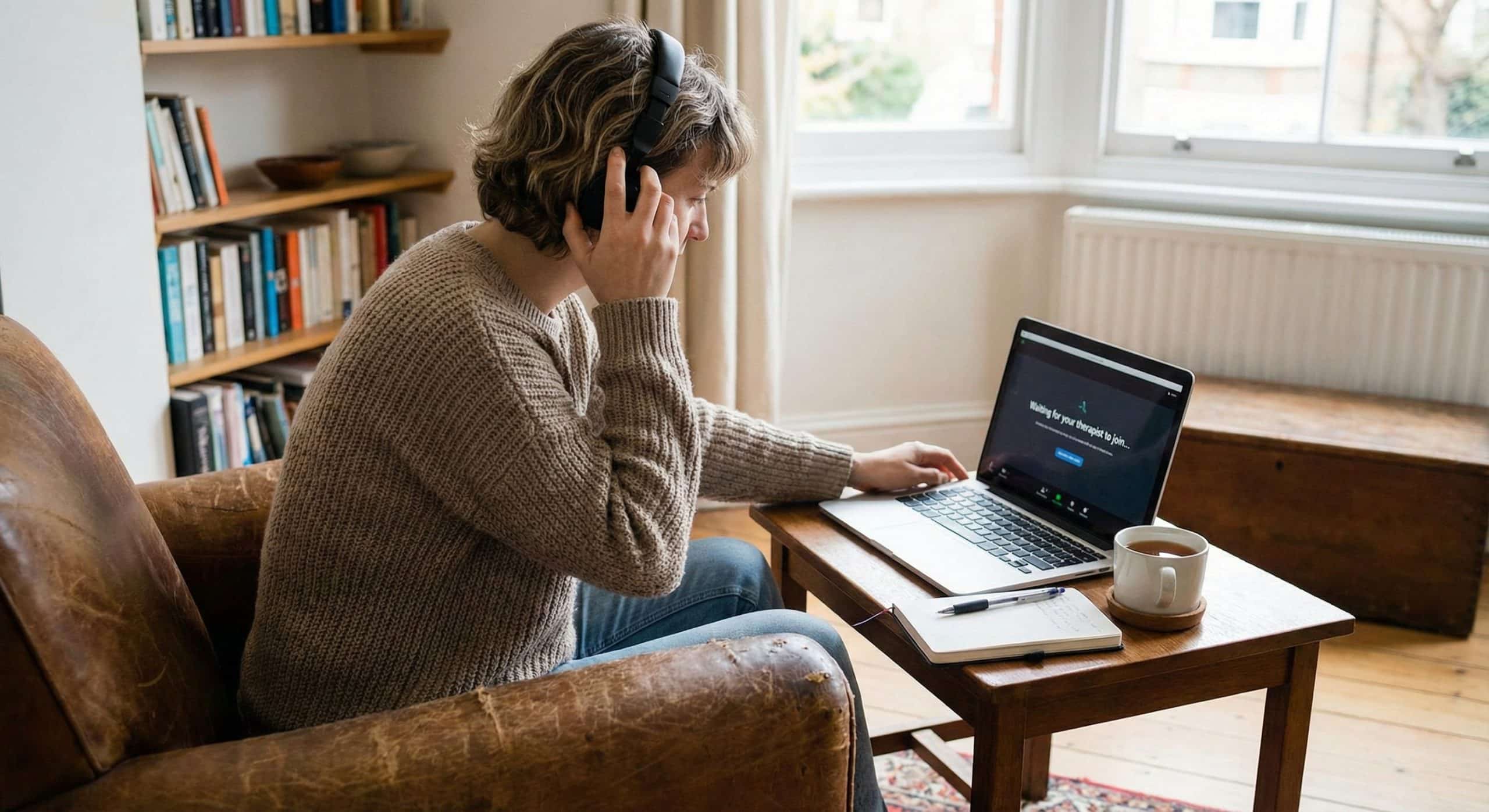
You do not need a perfect space. You just need a space that feels safe and private.
Use headphones for privacy
Sit somewhere comfortable
Make sure your device is charged
Test your internet connection
Pick a time when you are less likely to be interrupted. If you live with others, you can let them know you need privacy.
Your first session is mostly about getting to know you. You do not have to “perform” or say everything perfectly.
A therapist may ask:
What brought you to therapy?
What symptoms are you noticing?
What is your history (family, work, health, stress)?
What goals do you want to work on?
That is normal. You can say, “I’m nervous.” A good therapist will help you feel comfortable.
Online therapy sessions often last around 45–60 minutes. You talk, the therapist listens, and you work on skills together.
Therapy is not just talking. It is also learning:
Coping tools for stress and anxiety
Skills to manage emotions
Ways to change habits and behavior
Better communication in relationships
Healthy routines for sleep and mood
Progress might look like:
Fewer panic moments
Better sleep
Less irritability
More calm in your body
Stronger boundaries with others
Therapy is not magic, but it can help you grow with time and practice.
You understand yourself better
You react less strongly to stress
You feel more hopeful
You use coping skills more often
You feel supported
If you do not feel safe or understood, it is okay to speak up. Therapy should feel like teamwork. Sometimes, switching therapists can help.
Starting is the hardest part. These tips can help you stay consistent.
Your therapist cannot read your mind. The more honest you are, the more therapy can help.
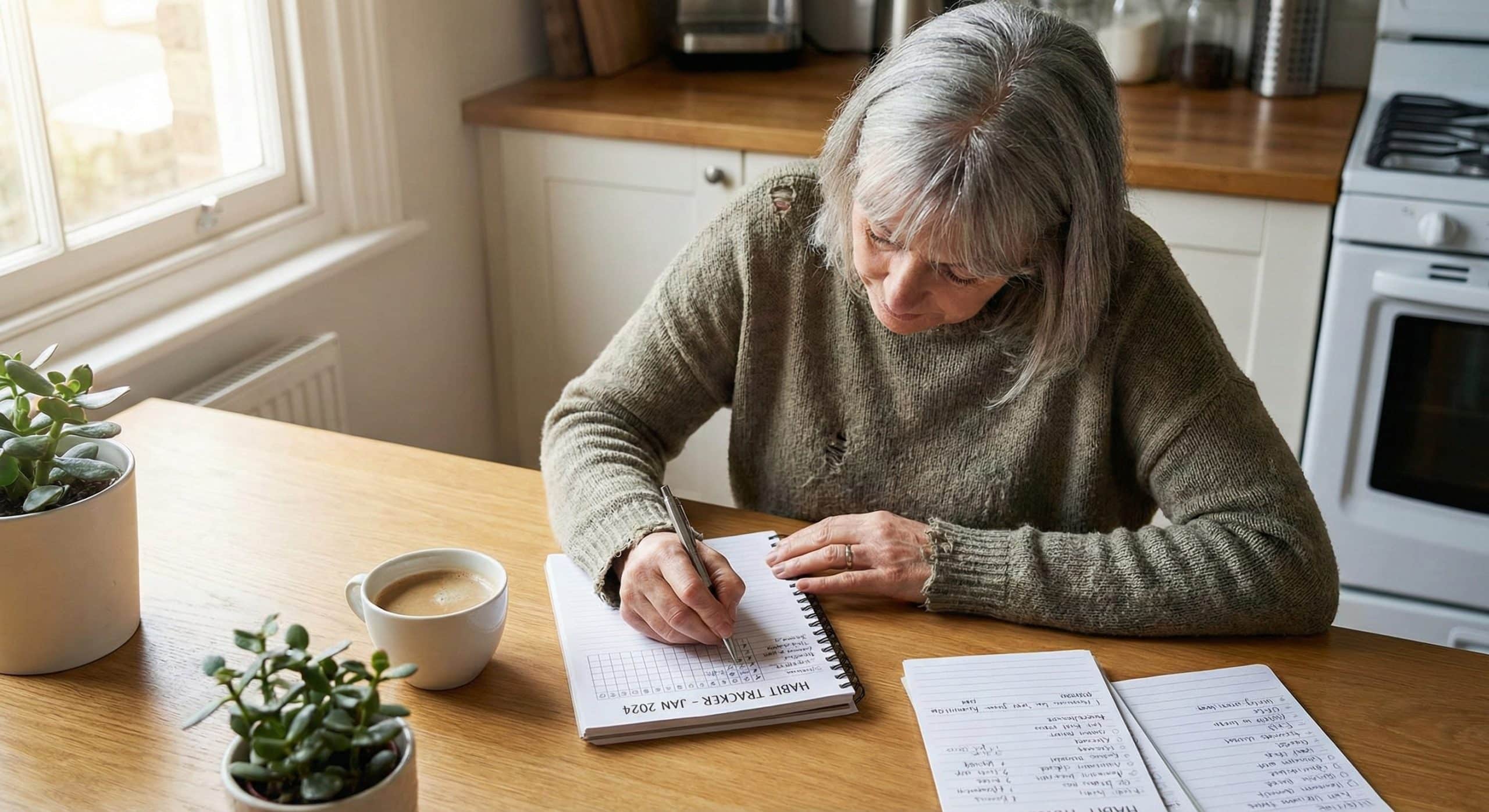
If you remember something important, write it down. You can share it next time.
Try one small change, like:
A breathing exercise
A sleep routine
A daily walk
A journal prompt
Small steps build momentum.
Privacy matters. Online therapy should use secure systems designed for mental health care.
Use a private Wi-Fi network if possible
Use headphones
Log out when done
Avoid public spaces during sessions
Online therapy is not the same as emergency care. If you are in danger, call local emergency services right away. If you are having thoughts of self-harm, you can contact the Suicide and Crisis Lifeline by calling or texting 988 in the U.S.

Start by choosing a goal, like help with anxiety or stress. Then pick a therapist you feel comfortable with. Your first session is mostly talking and planning. You do not need to have all the answers.
You can say what is true for you today. You might say, “I feel overwhelmed,” or “I don’t know where to start.” A therapist will guide the conversation with kind questions.
Many people start with weekly sessions. Some choose every other week. The best schedule depends on your needs, stress level, and goals.
Yes, online therapy can help many people learn coping skills, understand their emotions, and improve mood. Therapy styles like CBT can be especially helpful for anxiety and depression.
That is common. It usually gets easier after a few sessions. You can also ask about phone sessions if video feels too hard at first.
Starting online therapy is a brave step. You do not need to wait until things get worse. With the right therapist and a clear plan, you can build coping skills, improve your mood, and feel more in control. Treat Me is here to help you start in a simple, supportive way—one step at a time.